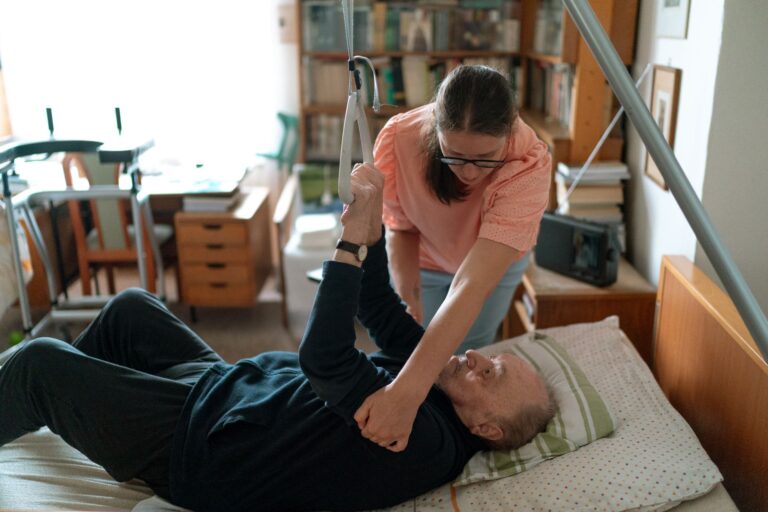
Support social sits at the center of this dementia and brain health question.
Supporting social participation and preventing isolation in people living with dementia is essential for their well-being. Dementia can affect memory, thinking, and behavior, which often leads to withdrawal from social activities and increased loneliness. However, there are practical ways to help maintain connections and encourage engagement.
One effective approach is creating **structured daily routines** that include meaningful activities tailored to the person’s interests and abilities. Having a predictable schedule helps reduce anxiety and confusion while providing opportunities for social interaction. Activities might include simple memory games, light physical exercise like chair yoga or walking, music or art therapy, reminiscence sessions where past memories are shared, group discussions, or even communal meals. These not only stimulate cognitive functions but also fulfill emotional needs by fostering connection with others.
Encouraging involvement in tasks that give a sense of purpose is also important. People with dementia often want to feel useful rather than passive recipients of care. Allowing them to participate in manageable roles—such as helping prepare snacks or writing cards—can boost confidence and self-esteem even if they need more time or make mistakes along the way.
Keeping things simple helps too: breaking down activities into small steps reduces frustration and makes participation easier. Reducing distractions during tasks can improve focus so the person feels successful rather than overwhelmed.
Social contact plays a vital role in preventing isolation because it provides emotional support and reassurance that they remain valued members of family and community life. Staying active socially can lift mood, lower anxiety or depression risks, maintain mental skills longer, and offer chances for expressing feelings openly among trusted people.
Caregivers should seek out programs designed specifically for people with dementia when possible—such as day centers offering structured social engagement—which provide safe environments where participants enjoy stimulating activities alongside peers under professional guidance.
Ultimately supporting someone with dementia involves patience combined with encouragement: allowing them space to try things at their own pace without rushing; celebrating efforts rather than just outcomes; adapting activities as needs change; all while nurturing meaningful human connections that enrich their everyday experience beyond the challenges of dementia itself.
For more, see National Institute on Aging.