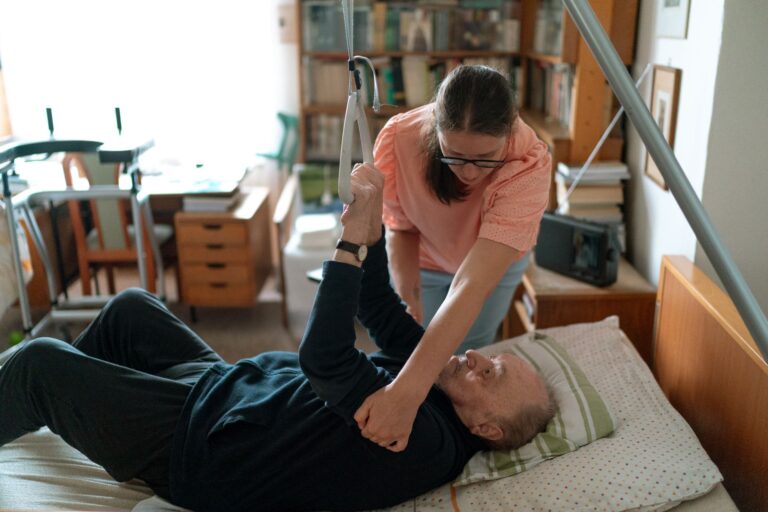
Ensure continuity sits at the center of this dementia and brain health question.
Ensuring continuity of care during transitions in dementia management is essential to maintain the well-being and safety of individuals living with dementia. Care transitions can happen when a person moves between home, hospital, rehabilitation centers, or long-term care facilities. These moments are vulnerable times that require careful coordination to avoid confusion, gaps in treatment, or distress.
A key step is **effective communication among all caregivers and healthcare providers** involved. This means sharing up-to-date information about the person’s medical history, current medications, cognitive status, preferences, and daily routines. Using technology like electronic health records can help keep everyone informed in real time and reduce errors or misunderstandings.
Personalized care plans that reflect the individual’s unique needs and preferences should be developed collaboratively by interdisciplinary teams. These plans guide caregivers on how best to support daily activities such as grooming, eating, medication management, and social engagement while considering changes in abilities over time.
Maintaining familiar routines during transitions helps reduce anxiety for people with dementia. Consistency around meal times, sleep schedules, and favorite activities provides comfort by reinforcing memory pathways still accessible despite cognitive decline. Visual cues like pictures or color-coded items can assist independence even when new environments are introduced.
Flexibility is also important because dementia symptoms evolve unpredictably. Caregivers need to adapt approaches sensitively—breaking tasks into smaller steps or adjusting timing based on mood or fatigue levels—to minimize frustration.
Creating a home-like environment wherever possible supports emotional well-being by surrounding individuals with personal belongings that evoke familiarity and identity. Natural lighting that regulates circadian rhythms further promotes better mood and sleep patterns.
Support for family caregivers through education sessions or virtual groups enhances their ability to manage transitions smoothly while reducing stress associated with navigating complex aged care systems.
Hospice programs using models focused on holistic needs have shown success by integrating physical health monitoring with emotional support for both patients and families during later stages of dementia—improving quality of life throughout transitions toward end-of-life care.
Ultimately continuity depends on trust built through transparent communication among all parties involved; this trust fosters collaboration ensuring each transition phase respects dignity while meeting evolving health requirements effectively without disruption.
For more, see National Institute on Aging.