Provide holistic sits at the center of this dementia and brain health question.
## What Is Holistic Care?
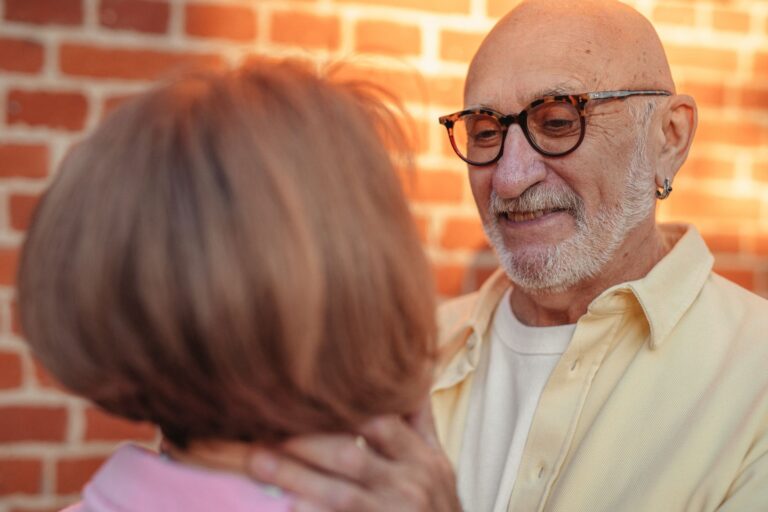
Holistic care means looking after the whole person—not just their body, but also their mind, feelings, and social life. It’s about understanding that health is more than the absence of disease; it’s about feeling well in every part of life. When you provide holistic care, you pay attention to physical health, emotional well-being, and social connections all at once.
## Physical Needs: More Than Medicine
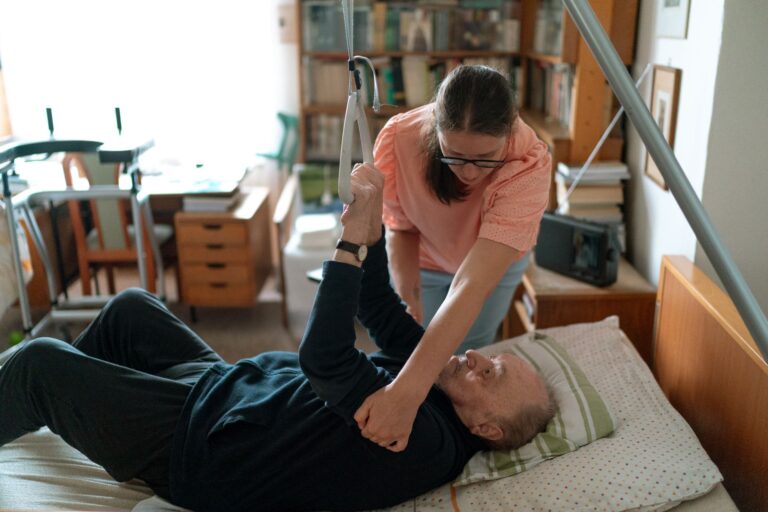
Taking care of someone’s physical needs is the first step. This includes treating illnesses, managing pain, and helping with daily activities like eating, bathing, or moving around. But holistic care goes further. It also means encouraging healthy habits—good nutrition, regular exercise, enough sleep—and teaching people how to take care of themselves.
Prevention is a big part of this approach. Instead of waiting for problems to happen, holistic care tries to stop them before they start. This might mean regular check-ups or helping someone make lifestyle changes that keep them healthier longer.
## Emotional Needs: Listening and Supporting
Emotional health is just as important as physical health. People need to feel safe, understood, and valued. Holistic care involves really listening to what someone is feeling—whether they are scared
For more, see Alzheimer’s Association — clinical trials.
Why Provide holistic Matters for Families
Understanding provide holistic helps families ask sharper questions at the next memory clinic visit and make calmer decisions at home. Dementia care decisions often hinge on small details that doctors do not have time to explain in a 15-minute appointment. This section adds the practical context most families never hear.
Most provide holistic questions come up after a worrying moment at home: a missed bill, a wrong turn on a familiar drive, a name that does not come back, or a doctor’s report that uses words no one explained. None of those moments alone diagnoses dementia, but together they often signal that a real conversation is overdue.
What Doctors Wish Families Knew About Provide holistic
Memory specialists routinely report that families come in late. Average time from first family-noticed change to diagnosis is roughly 3 years in the United States. That delay matters because today’s most effective steps — vascular risk control, sleep apnea treatment, depression treatment, medication review, and exercise — work best when started early.
Doctors also wish families knew that no single test diagnoses dementia. The diagnosis is built from cognitive testing, history, labs, imaging, and observation over time. A score on a test is one data point, not a verdict.
Common Questions Families Ask About Provide holistic
When should we see a specialist about provide holistic?
When concerns about memory, judgment, language, or behavior have lasted more than a few months and are affecting daily life. Primary care is the right first stop. They will rule out reversible causes and refer to a neurologist or memory clinic if needed.
What should we bring to the first appointment?
A written timeline of symptoms, a complete medication list (including over-the-counter and supplements), a list of medical conditions, and a family member who has observed the changes.
What can we do at home today?
Manage blood pressure, treat sleep apnea, exercise most days, eat a Mediterranean-style diet, stay socially engaged, address hearing loss, and review medications with a pharmacist for cognitively risky drugs.
When to Call the Doctor
Sudden cognitive change, falls, new confusion, fever with confusion, sudden weakness or speech change, or rapid worsening of dementia symptoms over days warrant immediate medical attention. Slow gradual change can be discussed at the next scheduled visit.
For more authoritative guidance on provide holistic and related dementia topics, the National Institute on Aging and the Alzheimer’s Association are reliable starting points.