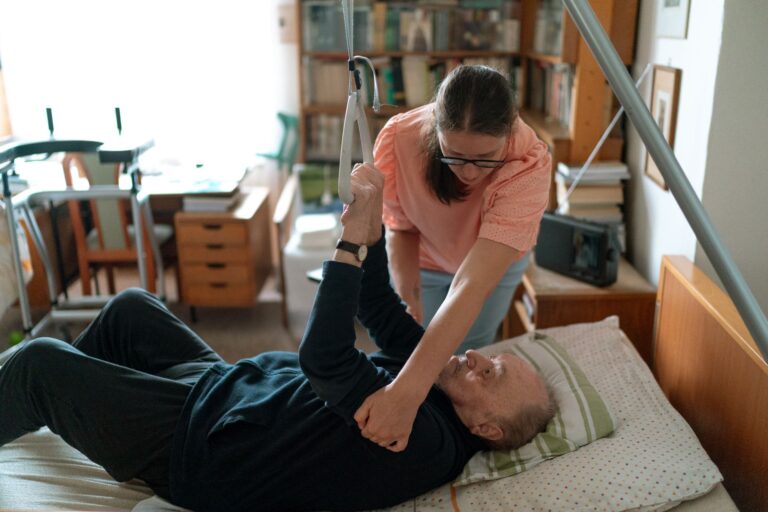
Adapting home sits at the center of this dementia and brain health question.
Creating a safe and comfortable home environment for someone with dementia is essential to support their independence and well-being. Here are some practical tips that can help make a home safer and more welcoming for people living with dementia:
**Remove hazards around the house.** Walk through the rooms to spot anything that might cause trips or falls, such as loose rugs or cluttered pathways. Secure cleaning supplies, medications, and sharp objects in locked cabinets out of reach.
**Improve lighting throughout the home.** Good lighting reduces shadows and confusion, making it easier to see clearly at all times of day. Avoid overly bright lights but ensure hallways, stairs, bathrooms, and entrances are well lit.
**Use clear signs and labels.** Label doors with words or pictures (like “Bathroom” or “Kitchen”) so your loved one can find their way easily without frustration. Color-coded tape on floors leading to important rooms can also be helpful.
**Choose simple décor with contrasting colors.** Avoid busy patterns on walls or floors that might confuse someone with dementia. Using contrasting colors—for example, a dark rug on a light floor—helps distinguish different areas clearly.
**Install safety alarms if wandering is an issue.** Door alarms that chime softly when opened alert caregivers without startling the person inside the home. Pressure mats near exits can also signal movement during nighttime hours.
**Create calm routines every day.** Having meals at set times along with regular activities like walks or hobbies helps reduce anxiety by providing structure in daily life.
Outside spaces matter too:
– Make gardens accessible by clearing paths free from obstacles.
– Use raised flower beds so bending down isn’t difficult.
– Choose plants that stimulate senses safely—avoid anything toxic or prickly.
– Encourage gardening tasks like watering plants which provide purpose while being gentle physical activity.
Inside activity areas should be tidy and quiet places where your loved one feels comfortable doing puzzles, reading books, listening to music, painting—or simply relaxing in good seating under soft lighting without distractions.
Lastly, don’t hesitate to involve neighbors who understand your situation; they can keep an eye out if needed which adds another layer of safety beyond your immediate care circle.
These thoughtful changes not only protect but also promote dignity by helping those living with dementia stay connected to familiar surroundings as much as possible while reducing stress for everyone involved in caregiving efforts.
For more, see National Institute on Aging.