Mental health sits at the center of this dementia and brain health question.
Caring for a loved one is a deeply rewarding experience, but it can also be emotionally and physically demanding. Many caregivers put their own needs aside, focusing entirely on the person they care for. Over time, this can lead to stress, burnout, and even mental health challenges. Supporting caregivers’ mental health and resilience isn’t just about helping them cope—it’s about empowering them to thrive while they care for others.
## Understanding Caregiver Stress
Caregiving often involves juggling multiple responsibilities: managing medications, coordinating appointments, handling daily tasks, and providing emotional support. It’s common for caregivers to feel overwhelmed or isolated. Recognizing these feelings is the first step toward building resilience.
## Practical Strategies for Mental Health Support
**Connect with Others**
One of the most powerful ways to reduce stress is by connecting with people who understand what you’re going through. Support groups—whether in-person or online—offer a safe space to share experiences, exchange advice, and feel less alone. Talking openly about challenges can lighten the emotional load.
**Take Regular Breaks**
Respite care gives caregivers a chance to rest and recharge. This might mean arranging for someone else to take over caregiving duties for a few hours or days so you can focus on yourself without guilt.
**Learn New Skills**
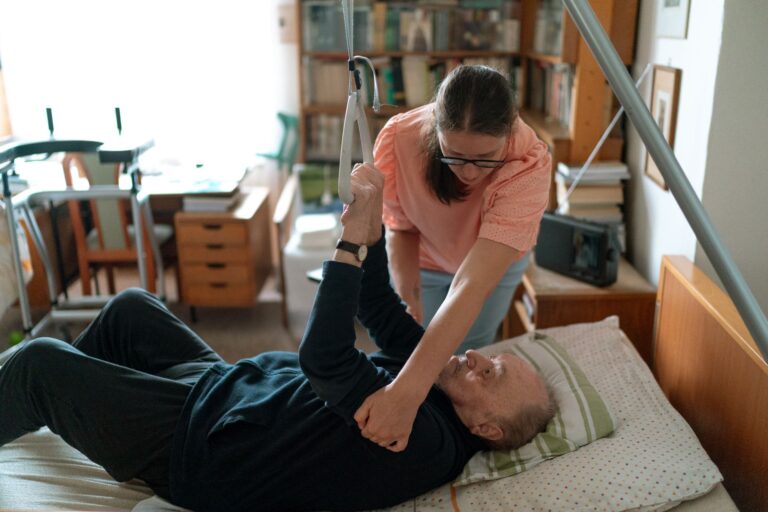
Caregiver training programs teach practical skills like how to safely move someone who has limited mobility or how to manage complex medical tasks. Learning these skills boosts confidence and reduces anxiety about making mistakes.
**Set Healthy Boundaries**
It’s okay—and necessary—to set limits on what you can do each day. Saying “no” sometimes doesn’t mean you care any less; it means you recognize your own needs matter too.
**Prioritize Self-Care**
Simple habits like eating well, getting enough sleep, exercising regularly, and making time for hobbies help maintain physical and mental health. Even small acts of self-care add up over time.
## Emotional Well-Being
Caregivers often experience guilt or frustration when things don’t go as planned. Counseling or therapy provides tools to manage these emotions constructively rather than letting them build up inside.
Stress management techniques such as deep breathing exercises or mindfulness meditation can help calm the mind during tough moments throughout the day.
## Accessing Resources
Many organizations offer free resources tailored specifically for caregivers: educational materials about specific conditions; directories of local services like transportation assistance; information on financial aid options; lists of social activities that promote connection outside of caregiving roles—all designed so no one has navigate this journey alone if they don’t want too!
Community centers sometimes host workshops focused on building resilience among family members providing long-term support at home while hospitals may have counseling centers available specifically geared towards supporting those caring full-time within their families unit structure itself which makes seeking help easier than ever before now more than ever before thanks largely due increased awareness around importance maintaining good mental wellbeing amongst those who give so much themselves every single day without fail regardless circumstances faced head-on together side-by-side always moving forward no matter what comes next because everyone deserves chance live life fullest possible way even when times get tough remember there are always people ready willing able lend hand whenever needed most just ask reach out take first step today towards better tomorrow starting right here right now wherever happens find yourself along path called life journey we all share collectively as human beings united purpose compassion understanding love above else always remember that truth deep down inside heart soul forevermore amen
For more, see NIH MedlinePlus — dementia.