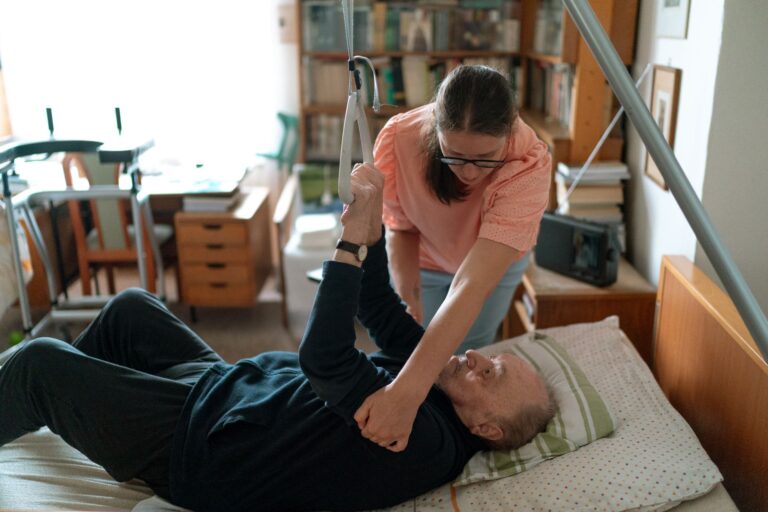
Supporting nonverbal sits at the center of this dementia and brain health question.
## Tips for Recognizing and Supporting Nonverbal Expressions of Need
People communicate in many ways, not just with words. Sometimes, especially when someone can’t speak or finds it hard to express themselves verbally, they rely on nonverbal cues to show what they need or how they feel. Recognizing and supporting these signals is important for understanding and helping others.
### What Are Nonverbal Expressions?
Nonverbal expressions include body language, facial expressions, gestures, eye contact, touch, tone of voice (even without words), appearance, and the way someone uses personal space. For example:
– **Body language:** Crossing arms might mean someone is upset or uncomfortable.
– **Facial expressions:** A smile shows happiness; a frown can mean sadness or frustration.
– **Gestures:** Pointing at an object could mean “I want that,” while shaking the head means “no.”
– **Eye contact:** Looking away might show shyness or discomfort; steady eye contact can signal interest.
– **Touch:** A gentle pat might offer comfort.
– **Tone of voice:** Even without clear words, the sound of someone’s voice can show excitement or distress.
### How to Recognize Nonverbal Cues
Paying attention is key. Here are some practical ways to notice nonverbal signals:
– **Observe quietly.** Watch how the person moves their body—do they seem relaxed or tense? Are their hands open or closed?
– **Notice facial changes.** Look at their eyes and mouth—are they smiling? Do their eyebrows go up in surprise?
– **Listen beyond words.** Even if there are no clear words spoken, listen for sounds like laughter (happy) or crying (upset).
– **Watch for gestures.** Is the person pointing at something? Nodding yes? Shaking their head no?
– **Respect personal space.** Notice if someone moves closer (comfortable) or steps back (uncomfortable).
### Supporting Nonverbal Communication
Once you recognize these cues, you can respond in helpful ways:
– **Acknowledge what you see.** If a child points at a toy but doesn’t speak say something like “You want that toy?” This shows you understand them.
– **Use simple signs together.** If someone uses gestures like waving goodbye join in so communication becomes shared.
For more, see Alzheimer’s Association — clinical trials.