Managing chronic joint swelling in aging adults requires a combination of lifestyle changes, medical treatments, and alternative therapies. As people age, joints naturally undergo wear and tear, leading to conditions like osteoarthritis, which can cause swelling, pain, and stiffness. Here are some effective ways to manage these symptoms:
### Lifestyle Changes
**Exercise and Physical Therapy**: Engaging in regular exercise, especially low-impact activities like walking or swimming, can help strengthen the muscles around the joints, improving flexibility and reducing pain. Physical therapy programs are tailored to each individual’s needs and can significantly improve joint function. Exercises often focus on strengthening the quadriceps, hamstrings, and other supporting muscles.
**Weight Management**: Maintaining a healthy weight is crucial as excess weight puts additional stress on the joints, exacerbating swelling and pain. A balanced diet combined with regular exercise can help manage weight effectively.
### Medical Treatments
**Medications**: Over-the-counter pain relievers such as acetaminophen and nonsteroidal anti-inflammatory drugs (NSAIDs) like ibuprofen can provide relief from pain and swelling. Topical creams or gels applied directly to the affected area can offer localized relief with fewer side effects.
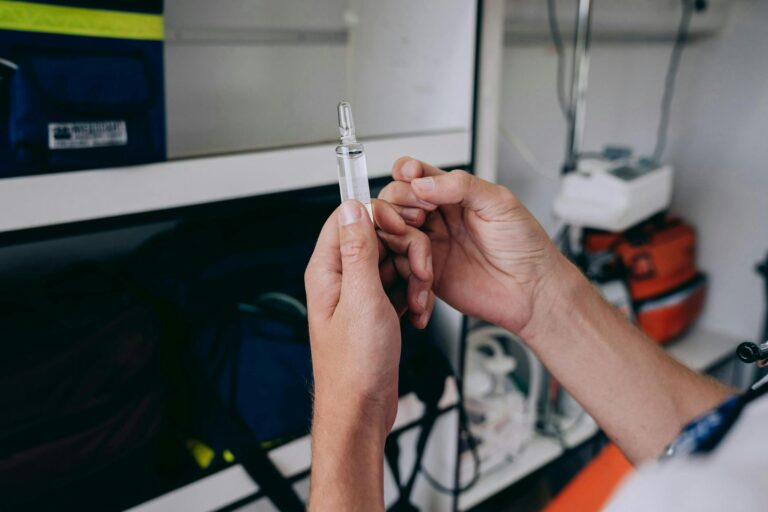
**Corticosteroid Injections**: These injections reduce inflammation within the joint, providing temporary but significant relief from pain and swelling. They are often used when oral medications are not sufficient or when targeted relief is needed.
**Hyaluronic Acid Injections**: Known as viscosupplementation, these injections aim to restore the lubricating properties of the synovial fluid in the joint, potentially offering longer-lasting relief.
### Alternative Therapies
**Rest, Ice, Compression, and Elevation (RICE)**: For acute swelling, the RICE method is effective. Resting the joint, applying ice for short periods, using compression bandages, and elevating the affected limb can help reduce immediate swelling and prevent further injury.
**Activity Modification**: Avoiding activities that exacerbate joint pain and swelling is important. Using assistive devices like canes or walkers can reduce stress on the joints during daily activities.
**Supportive Devices**: Braces or supports can help stabilize the joint and reduce stress, while crutches may be recommended to minimize weight-bearing stress during recovery.
By combining these strategies, aging adults can effectively manage chronic joint swelling, maintain their independence, and enjoy a more active lifestyle.