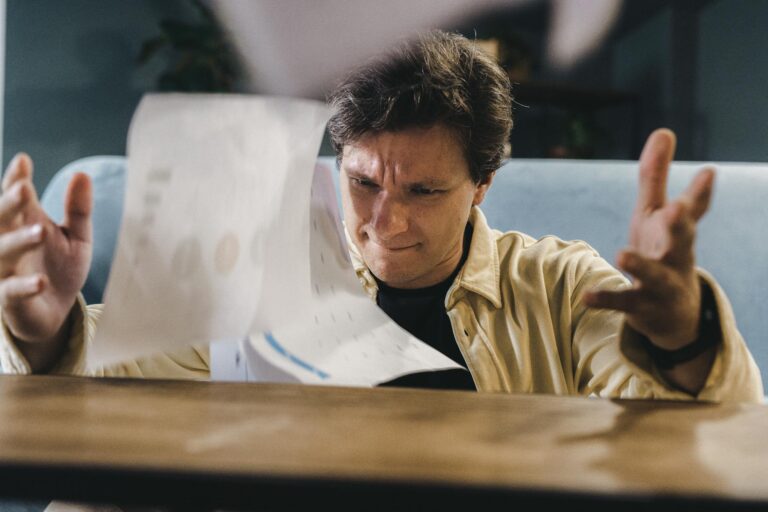
Have you ever had that strange feeling when something almost feels familiar, but not quite? Maybe it’s a face in a crowd that looks just like someone you know, but when you look closer, it’s not them. Or perhaps it’s a dream where everything seems real until one small detail is off—like your childhood home having an extra door or your best friend speaking with the wrong voice. That unsettling sensation is similar to what scientists call the “uncanny valley,” but instead of robots or dolls, we can talk about memory.
Imagine walking down the street and seeing someone who reminds you so much of an old friend that your heart skips a beat. You get excited for a second—but then realize it’s not them at all. That moment of confusion and slight discomfort is like standing at the edge of remembering: almost there, but not quite.
This “uncanny valley” effect happens with memories too. Sometimes our brains try to recall something important—a name, a place, or even just what we ate for breakfast yesterday—and we get stuck in this weird middle zone where everything feels close enough to be familiar but still out of reach. It can be frustrating and even creepy because our minds are telling us we should know this thing perfectly well.
Why does this happen? Our brains are amazing pattern-recognition machines. They love matching new things to old memories so they don’t have to work as hard every time they see something new. But sometimes those patterns don’t line up exactly right. When something is almost remembered—almost recognized—it triggers an alert in our brain: “Hey! This isn’t quite right!” That alert can make us feel uneasy or confused.
Think about déjà vu: that feeling that you have experienced something before when you actually haven’t (or maybe only sort-of have). It plays tricks on your memory system by making things seem both familiar and unfamiliar at once.
The uncanny valley of almost remembering isn’t just about forgetting names or faces; it’s about how our minds react when reality doesn’t match up with what we expect based on past experiences or stored knowledge. The closer things get without being exact matches (like nearly-but-not-quite-right memories), the more uncomfortable they make us feel until suddenly everything clicks into place again.
So next time you find yourself stuck between knowing and not knowing—when someone looks familiar yet strange all at once—remember: your brain is doing its best job trying to fit pieces together from millions of possible patterns stored inside your head!