Vitamin D is often called the “sunshine vitamin” because our bodies make it when sunlight hits our skin. But what happens if you don’t get enough? If vitamin D deficiency goes untreated, it can have serious effects on both your bones and your brain.
**Bone Health: The Risks of Low Vitamin D**
When you lack enough vitamin D, your body struggles to absorb calcium—a mineral that’s essential for strong bones. Over time, this can lead to weak or brittle bones. In children, severe deficiency causes a condition called rickets, which leads to soft bones and growth problems[4]. In adults, the same problem is known as osteomalacia; it makes bones painful and more likely to break[2][4]. Older adults are especially at risk because their bodies don’t make or use vitamin D as well as they used to. This increases their chances of osteoporosis (bones that break easily) and fractures[4].
**Brain Health: How Vitamin D Deficiency Affects Your Mind**
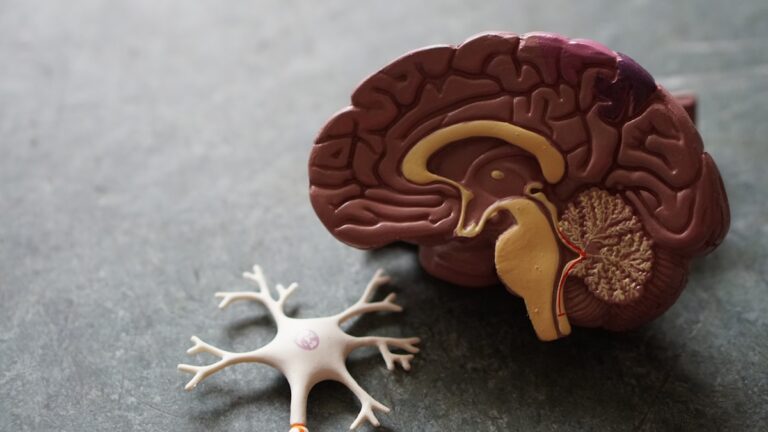
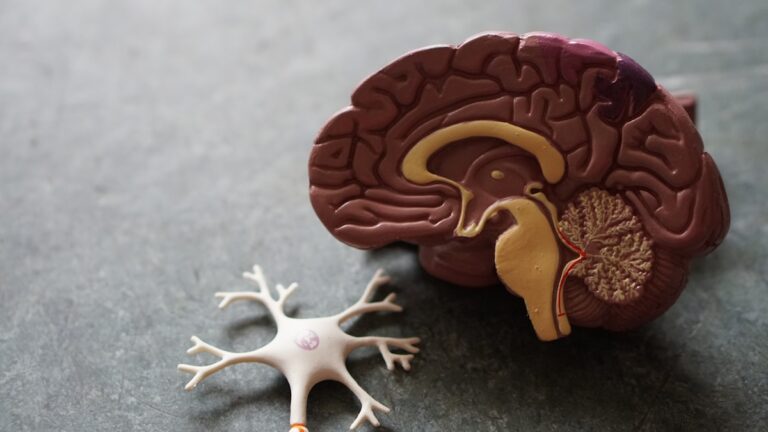
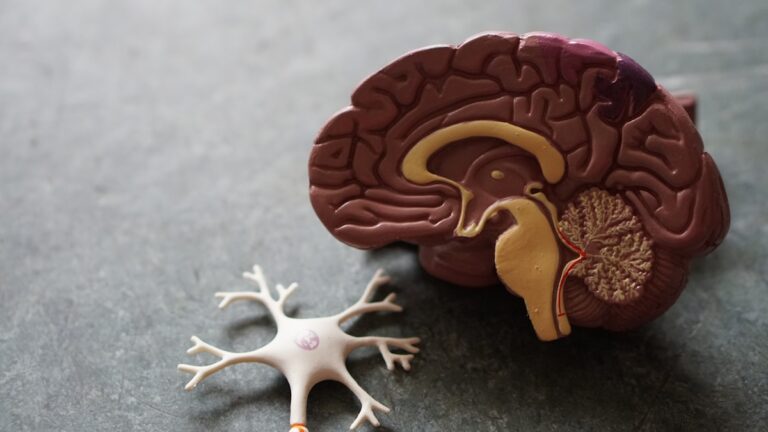
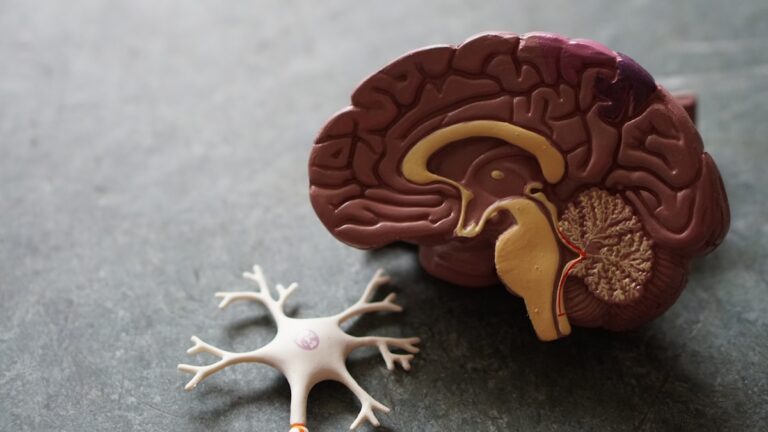
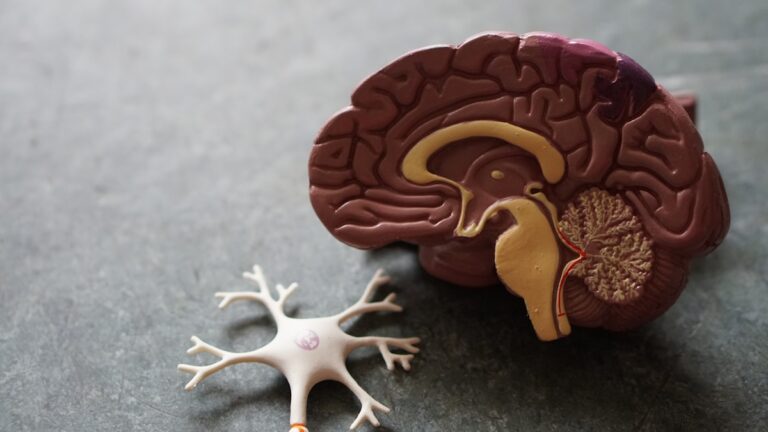
Vitamin D isn’t just important for your skeleton—it also plays a role in brain health. Research shows that people with low levels of vitamin D may be more likely to experience mood changes like depression or anxiety[4]. Some studies suggest that long-term deficiency could even be linked with memory problems and cognitive decline in older adults[4]. While scientists are still figuring out exactly how this works, it seems clear that keeping your vitamin D levels up helps protect both your body and mind.
**Who Is Most at Risk?**
Some people are more likely than others to become deficient in vitamin D:
– **Older adults:** Their skin doesn’t make as much vitamin D from sunlight.
– **People with darker skin:** Higher melanin reduces the amount of sun absorbed.
– **Those who spend little time outdoors:** Whether due to work indoors or covering up for cultural reasons.
– **People with certain health conditions:** Like celiac disease or obesity, which affect how well the body absorbs nutrients.
– **Breastfed infants:** Breast milk alone usually doesn’t provide enough vitamin D unless supplemented[4].
**What Can You Do?**
If you think you might be low on vitamin D—maybe you feel tired all the time, have muscle pain, weak bones, or notice mood changes—talk to a doctor about getting tested[1][2][4]. Simple blood tests can check your levels. Eating foods rich in vitamin (like fatty fish and fortified dairy products) and spending some safe time outdoors can help keep your levels healthy.
Untreated deficiency isn’t something to ignore. It can weaken both bone strength and mental sharpness over time—so taking action early is key for staying healthy inside and out!