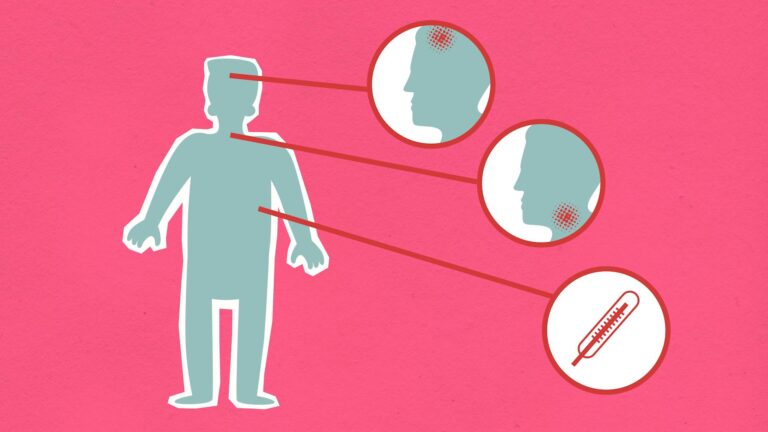
Chronic inflammation is a silent threat that can have profound effects on our health, particularly when it comes to the risk of developing dementia. Inflammation is the body’s natural response to injury or infection, but when it becomes chronic, it can lead to a cascade of problems that affect various parts of the body, including the brain.
Imagine your body as a city with a robust defense system. When invaders like bacteria or viruses enter, the defense forces spring into action, fighting off the intruders. However, if these invaders never fully leave, the defense forces remain on high alert, causing ongoing inflammation. This prolonged state of alertness can lead to damage in the city’s infrastructure, much like how chronic inflammation can damage our body’s tissues and organs.
In the context of dementia, chronic inflammation plays a significant role. Dementia is a condition characterized by a decline in cognitive function, including memory loss and difficulty with communication. Alzheimer’s disease is the most common form of dementia, and research has shown that inflammation is closely linked to its progression.
Studies have found that chronic inflammation can lead to the release of pro-inflammatory cytokines, such as IL-1β, which are associated with neuroinflammation. This type of inflammation can damage brain cells and contribute to the accumulation of amyloid plaques, a hallmark of Alzheimer’s disease[1]. Moreover, conditions like metabolic syndrome, which often involve chronic inflammation, have been linked to an increased risk of developing dementia[1].
Other health issues, such as gout and hyperuricemia, also contribute to chronic inflammation and may increase the risk of dementia. Gout is a form of arthritis that causes sudden, severe attacks of pain and swelling, often in the big toe. It is associated with high levels of uric acid in the blood, which can lead to chronic inflammation. This inflammation can affect the brain, potentially increasing the risk of dementia[4].
Early life stress is another factor that can lead to chronic inflammation and increase the risk of dementia later in life. Stressful experiences during childhood can alter brain development and lead to heightened neuroinflammatory activity as people age. This can result in structural changes in the brain that are associated with neurodegeneration[3].
Furthermore, vitamin D deficiency has been linked to increased inflammation and a higher risk of dementia. Vitamin D is important for maintaining healthy bones and immune function, and its deficiency can lead to increased levels of inflammatory markers in the body[2].
In summary, chronic inflammation from untreated health problems can significantly increase the risk of developing dementia. It is crucial to address these underlying issues to reduce inflammation and potentially lower the risk of cognitive decline. By understanding the role of chronic inflammation in dementia, we can work towards developing effective prevention strategies and improving overall health outcomes.