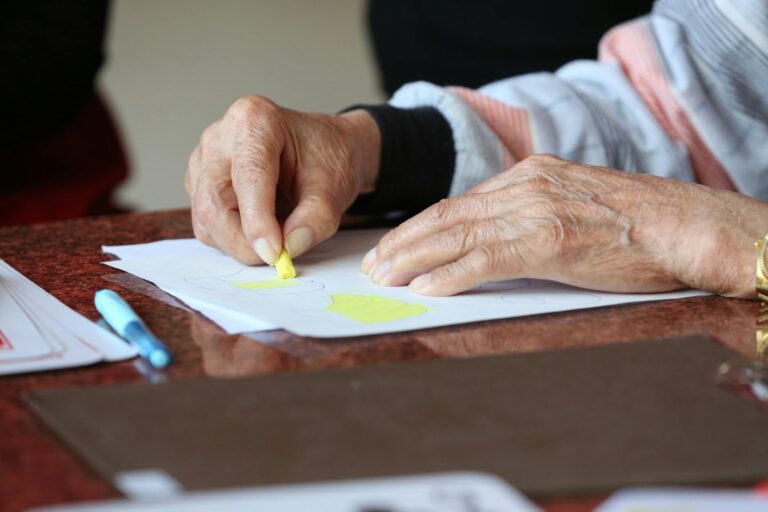
Memory aids and assistive technology are tools designed to help people remember important information and support those with cognitive or physical challenges in their daily lives. These technologies make everyday tasks easier, promote independence, and improve communication.
## What Are Memory Aids?
Memory aids are devices or strategies that help individuals recall information or complete tasks. They can be simple, like written notes or calendars, or more advanced, such as electronic reminders and apps that prompt users to take medication or attend appointments. For people with memory problems due to conditions like Alzheimer’s disease, these aids can be essential for maintaining safety and routine[5].
## Types of Assistive Technology
Assistive technology covers a broad range of devices designed to support people with disabilities. Some examples include:
– **Speech-generating devices:** These help individuals who have difficulty speaking by converting text into spoken words[2][3].
– **Screen readers:** Software that reads text aloud from a computer screen for those with vision impairments[3].
– **Voice-controlled smart home devices:** Gadgets like Amazon Echo Dot allow users to control lights, thermostats, and other appliances hands-free[1][4].
– **Wearable gadgets:** Devices that monitor health conditions or remind users about medications[4].
– **Cognitive training applications:** Apps designed to improve memory skills through exercises and games[5].
## How Assistive Technology Supports Memory
For people facing cognitive challenges such as dementia or Alzheimer’s disease, assistive technology offers specialized features:
– Systems using facial recognition help identify familiar faces.
– Object detection assists in recognizing everyday items.
– Optical Character Recognition (OCR) converts printed text into speech.
– Daily routine reminders prompt users when it’s time for medication, meals, or hydration using alarms and visual displays on small screens[5].
These tools create an artificial visual interface that supports both memory recall and orientation within the environment.
## Benefits of Using Memory Aids & Assistive Technology
Using these technologies can:
– Enhance communication between individuals with speech difficulties and others around them by providing clear speech output on devices.
– Reduce reliance on caregivers by promoting independence in managing daily activities.
– Improve safety through timely reminders about medications and appointments.
– Make environments more accessible via voice commands for lighting or temperature control.
In summary, memory aids combined with assistive technologies offer practical solutions tailored to individual needs. They empower people facing cognitive impairments as well as physical disabilities by improving their quality of life through better communication support, enhanced safety measures, and greater autonomy at home[1][2][3][4][5].