Ayahuasca is a powerful plant medicine traditionally used in South American shamanic ceremonies. In recent years, it has gained attention for its potential to help heal trauma-related memory loss and emotional wounds. But how exactly can ayahuasca support healing from trauma, especially when memories feel lost or buried deep inside?
## How Trauma Affects Memory
Trauma can disrupt how our brain stores and recalls memories. Sometimes, painful experiences get pushed so far down that they become hard to access consciously—this is often called trauma-related memory loss or repression. The mind protects itself by blocking out these distressing memories, but this also means the emotions tied to them stay trapped inside.
## What Ayahuasca Does
Ayahuasca works differently than typical medicines because it affects the brain’s communication pathways in a unique way. It acts on serotonin receptors—special sites in the brain that influence mood and perception—but instead of just adjusting chemical levels like many drugs do, ayahuasca temporarily rewires connections between different brain areas[3]. This rewiring can:
– Quiet down rigid thought patterns linked to trauma
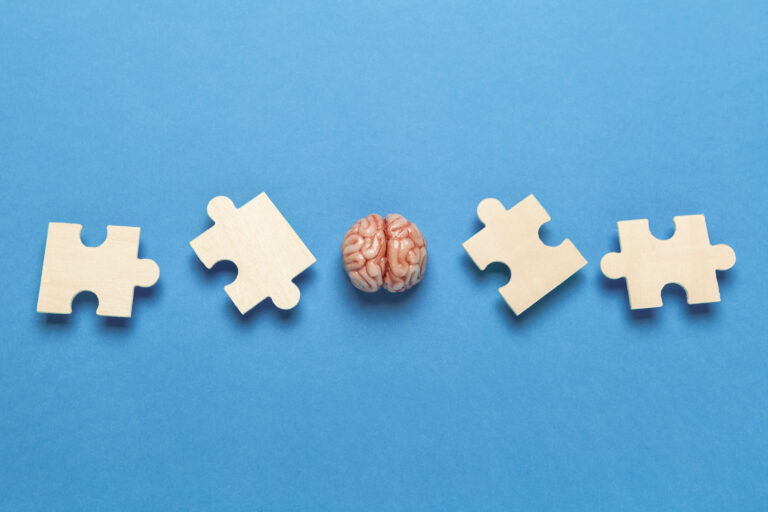
– Unlock hidden or blocked memories needing attention
– Open emotional channels so feelings tied to those memories can be felt and released
In other words, ayahuasca creates a mental space where old traumatic experiences surface safely for processing rather than staying locked away[1][3].
## Bringing Buried Memories and Emotions to Light
Many people who use ayahuasca report that it brings buried emotions and even ancestral traumas up into their awareness[1]. These are not just personal wounds but sometimes inherited pain passed through family lines at an epigenetic level—meaning trauma leaves marks on our genes that affect us generations later.
During an ayahuasca ceremony, painful feelings like fear or anger may arise strongly—but this isn’t about reliving suffering endlessly; it’s about witnessing those emotions as they leave the body[1]. This process helps release stuck energy related to past events so healing can begin.
## Healing Beyond Talk Therapy
One striking aspect of ayahuasca is how quickly some people feel progress compared with traditional therapy. Some describe one night with ayahuasca as equivalent to decades of psychotherapy because it allows direct access to core issues beneath symptoms like anxiety or depression[1][3].
This doesn’t mean ayahuasca replaces therapy—it works best combined with integration practices afterward such as journaling or talking with therapists familiar with psychedelic experiences[5]. Integration helps make sense of insights gained during ceremonies and apply them meaningfully in daily life.
## Scientific Support for Ayahuasca’s Healing Potential
Research shows psychedelics including ayahuasca reduce activity in the brain’s Default Mode Network (DMN), which maintains our usual sense of self but also keeps us stuck in repetitive negative thoughts linked to trauma[3]. By “rebooting” this network temporarily:
– Old neural loops trapping traumatic memories break open
– New pathways form allowing fresh perspectives
– Emotional openness increases enabling release
Studies also find lasting reductions in shame and PTSD symptoms months after naturalistic group sessions involving psychedelics like ayahuasca[4].
—
### In Summary
Ayahuasca offers a unique way for people struggling with trauma-related memory loss to reconnect with hidden parts of themselves safely. It helps bring suppressed memories and emotions into conscious awareness where they can be faced without overwhelming fear—and then released rather than carried forward silently.
While not magic nor risk-free, when used carefully under guidance alongside proper integration support, many find profound healing from deep-seated wounds passed down through generations as well as their own life stories.
The journey through pain toward wholeness may start by opening doors within—the kind only medicines like ayahuasca seem able unlock today.[1][3][5]