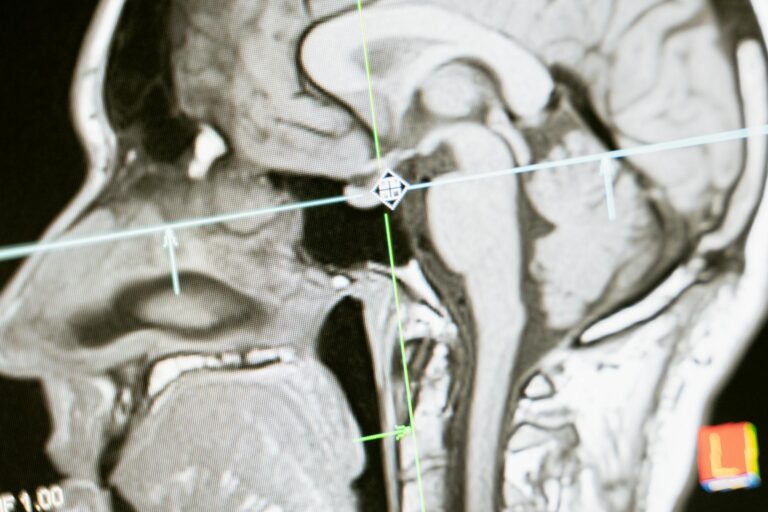
Are you finding it hard to understand where you are in space or getting lost easily? You might be experiencing difficulty with spatial awareness and navigation. This means your brain has trouble figuring out how objects, places, and yourself relate to each other in the world around you.
### What Is Spatial Awareness?
Spatial awareness is your ability to know where things are in relation to you. It helps you move around without bumping into things, judge distances, follow directions, and find your way from one place to another. For example, when walking through a crowded room or using a map, good spatial awareness guides your movements smoothly.
### Signs of Trouble with Spatial Awareness
If you’re struggling with spatial awareness or navigation, here are some common signs:
– Frequently getting lost even in familiar places.
– Difficulty understanding how different locations connect.
– Trouble retracing your steps if needed.
– Finding it hard to use maps or landmarks for direction.
– Confusing left and right when following instructions.
– Misjudging distances—like thinking something is closer or farther than it really is.
– Bumping into furniture or people because it’s hard to judge space properly[4][5].
### Why Does This Happen?
Several reasons can cause poor spatial awareness:
– **Brain injuries** or cognitive decline can affect the parts of the brain responsible for processing space and movement[4].
– Certain conditions like ADHD, autism spectrum disorder (ASD), developmental coordination disorder (DCD), dyslexia, Down syndrome, and Turner syndrome often come with challenges in spatial skills[2][4].
– Even lifestyle factors like heavy smartphone use might reduce opportunities for practicing real-world navigation skills[3].
### How Does Poor Spatial Awareness Affect Daily Life?
Imagine trying to walk across a busy classroom but misjudging how far away desks are—you might trip or bump into them. Or think about following verbal directions but mixing up left and right turns; this can make moving through new environments confusing. These difficulties happen because poor spatial orientation affects depth perception (how we see height and distance) as well as our ability to track moving objects around us[5].
### What Can Help Improve Spatial Skills?
The good news is that spatial skills can be developed! Here’s what can help:
– Practice puzzles that involve shapes and visualizing objects from different angles.
– Engage in activities like building models or crafts that require putting pieces together mentally before physically assembling them.
– Use real-life navigation practice: try asking questions while exploring new places such as “Where does this path lead?” or “How do I know when I should turn?”[2][3].
If difficulties persist significantly enough to impact daily life safety or independence, consulting an occupational therapist may provide tailored strategies.
—
Understanding these challenges better helps us support ourselves or others who struggle with navigating spaces confidently. With patience and practice, improving spatial awareness is possible—and life becomes easier when we know exactly where we stand.