Primary amebic meningoencephalitis (PAM) is a rare but deadly brain infection caused by the Naegleria fowleri ameba. This ameba is commonly found in warm freshwater such as lakes, rivers, and hot springs, as well as in soil and untreated or poorly maintained swimming pools. Although cases of PAM are extremely rare, the infection carries a high mortality rate and can be difficult to diagnose.
The Naegleria fowleri ameba enters the body through the nose and travels to the brain via the olfactory nerve. From there, it causes inflammation and destruction of brain tissue, leading to a condition known as meningoencephalitis – an inflammation of the brain and the lining surrounding it.
PAM is most commonly seen in children and young adults, with the majority of cases occurring in the summer months when water temperatures are warmer. It is also more prevalent in southern states where the climate is hotter. However, anyone who comes into contact with contaminated water or soil is at risk of developing PAM.
Symptoms of PAM usually begin within 5 days of exposure to the ameba, although it can range from 1 to 9 days. The initial symptoms are similar to those of bacterial meningitis and include headache, fever, nausea, vomiting, and stiff neck. As the infection progresses, individuals may also experience confusion, seizures, loss of balance, and coma. If left untreated, PAM can lead to death within 1 to 18 days of symptom onset.
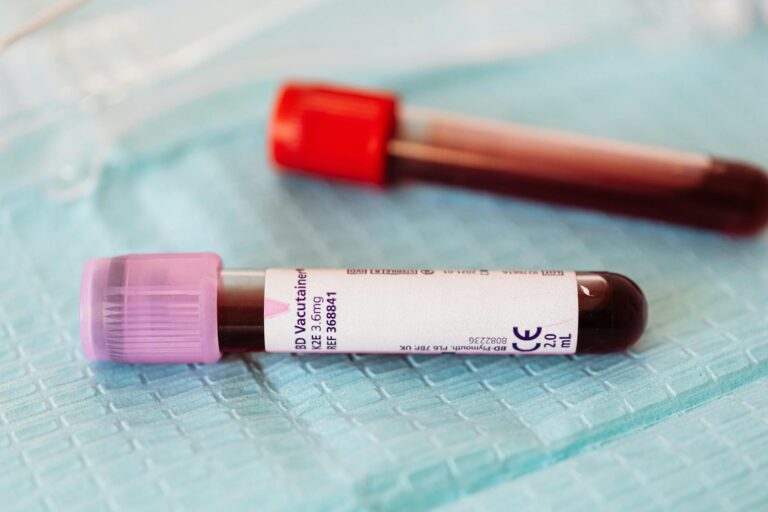
The diagnosis of PAM can be challenging as the symptoms are similar to other more common infections. It requires a highly skilled medical team and specialized laboratory tests. In most cases, a sample of cerebrospinal fluid (the fluid that surrounds the brain and spinal cord) is taken through a lumbar puncture (spinal tap) and tested for the presence of the ameba. Imaging tests such as CT scans and MRIs may also be used to detect any brain swelling or damage.
Treatment for PAM is limited and mostly focuses on supportive care to manage symptoms. Antimicrobial medications may be used, but they have not shown to be very effective against Naegleria fowleri. In some cases, the drug miltefosine has been used with some success, but it is not widely available and can have serious side effects.
Preventing PAM is the best defense against this deadly infection. Avoiding activities in warm freshwater where the Naegleria fowleri ameba may be present, such as swimming, diving, or water sports, is the best way to reduce the risk of infection. If you do engage in these activities, it is essential to take precautions such as wearing a nose clip or holding your nose shut while underwater to prevent water from entering your nostrils.
It is also crucial to properly maintain and chlorinate swimming pools and hot tubs, as well as regularly clean and disinfect any water toys or equipment that come into contact with water. If you or your child experience any symptoms of PAM after swimming in freshwater, seek medical attention immediately. The earlier the infection is diagnosed and treated, the better the chances of survival.
In conclusion, primary amebic meningoencephalitis is a rare but devastating infection caused by the Naegleria fowleri ameba. It is most commonly seen in children and young adults and can lead to death within a matter of days if left untreated. While cases are rare, it is important to take precautions when engaging in activities in warm freshwater to prevent exposure to the ameba and reduce the risk of infection. If you suspect you or someone you know may have PAM, seek medical attention immediately for early diagnosis and treatment.