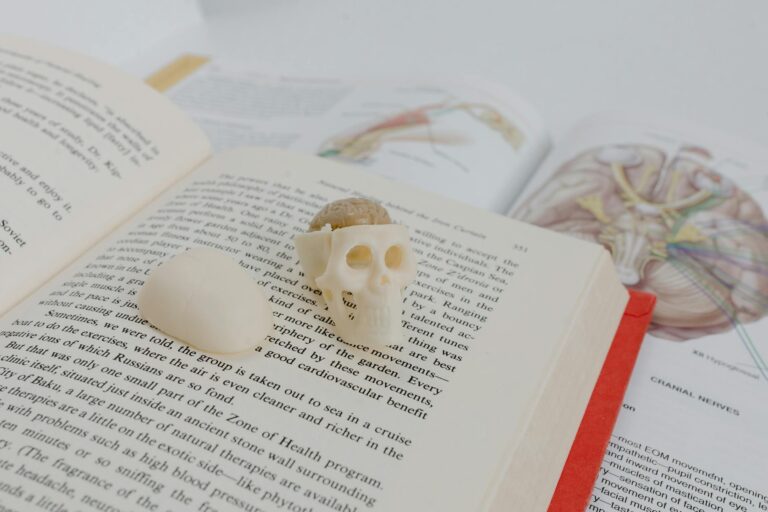
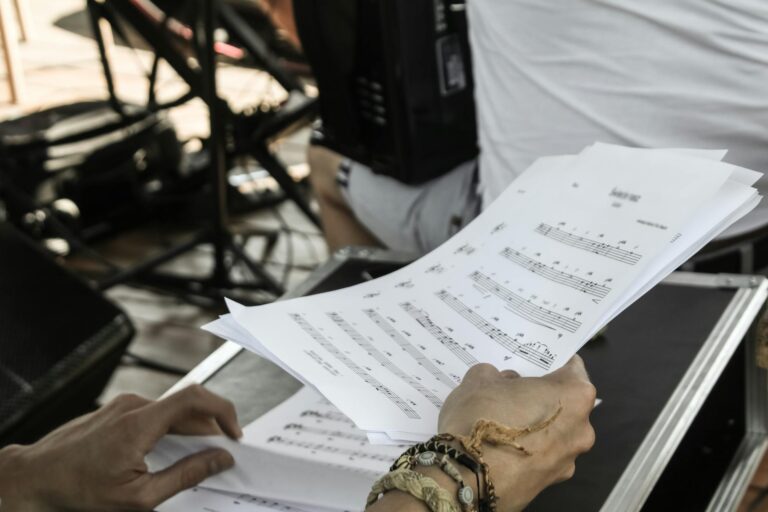
Are artists and creative people less likely to get dementia? This is an interesting question that researchers have been exploring in recent years. While there’s no definitive answer yet, some studies suggest that engaging in creative activities may help protect the brain as we age.
Let’s start with the basics. Dementia is a decline in cognitive function that interferes with daily life. It’s not a normal part of aging, but the risk does increase as we get older. Common types include Alzheimer’s disease and vascular dementia.
So where do artists and creative folks fit in? Some research indicates that people who regularly participate in creative pursuits like painting, music, writing, or dance may have a lower risk of developing dementia[1][13]. Why might this be the case?
Creative activities seem to be good exercise for our brains. When we engage in art, music, or other creative work, we’re using multiple areas of our brain at once – memory, planning, motor skills, emotion, and more. This mental workout may help build what scientists call “cognitive reserve” – essentially a buffer against cognitive decline[1].
Additionally, many creative activities involve learning new skills or information. Lifelong learning is thought to be protective against dementia[2]. So an artist who’s always experimenting with new techniques or a musician learning new pieces may be giving their brain an extra boost.
The social aspect of many creative pursuits could also play a role. Participating in art classes, music groups, or writing workshops provides social interaction, which is linked to better cognitive health[5]. Loneliness and social isolation, on the other hand, are risk factors for dementia.
It’s important to note that being an artist or creative person doesn’t make you immune to dementia. Many factors influence our cognitive health as we age, including genetics, overall health, and lifestyle choices[2]. But engaging in creative activities does seem to be one way to potentially lower risk.
The good news is that you don’t have to be a professional artist to reap these potential benefits. Taking up a creative hobby later in life may still be helpful. Studies have found that older adults who participate in art programs show improvements in memory, attention, and mood[13].
So if you’ve always wanted to try painting, learn an instrument, or write poetry, go for it! Not only might it be good for your brain, but it can also be a source of joy and self-expression. And if you’re already a creative person, keep at it. Your artistic pursuits may be doing more than just creating beauty – they could be helping to keep your mind sharp.
Remember, while we can’t completely prevent dementia, we can take steps to promote better brain health. Along with creative activities, other lifestyle factors like regular exercise, a healthy diet, social engagement, and managing health conditions like high blood pressure are all important[2][5].
In the end, whether you’re an artist or not, staying mentally active and engaged throughout life is key. So find activities you enjoy – creative or otherwise – and make them a regular part of your routine. Your brain will thank you!