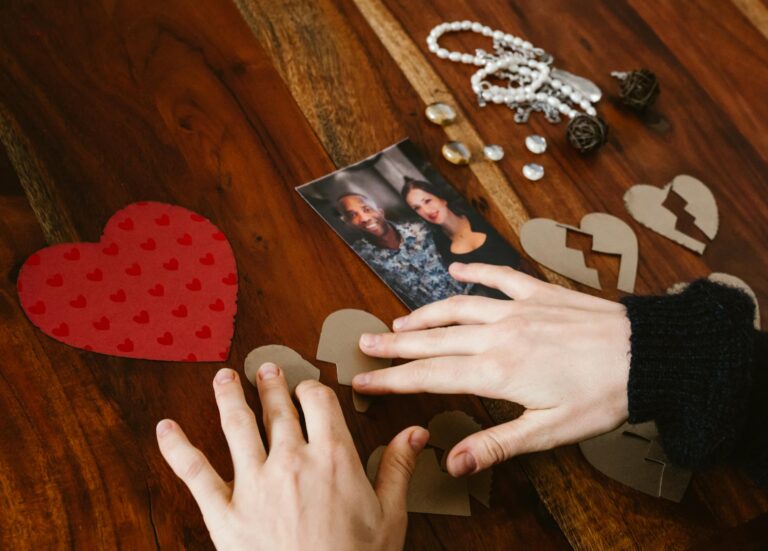
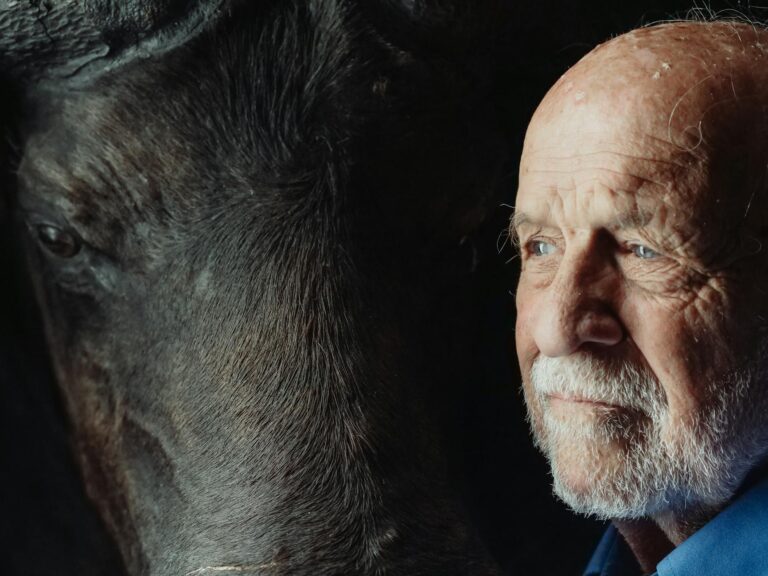
Photography plays a significant role in capturing memories, especially for individuals with dementia. Dementia is a condition that affects memory, making it difficult for people to recall recent events. However, long-term memories often remain intact, and photography can be a powerful tool to tap into these memories.
## The Power of Photography in Dementia Care
Photography can serve as a visual cue that triggers memories from the past. By looking at old photographs, individuals with dementia can recall moments from their childhood, favorite hobbies, or significant life events. This process is known as reminiscence therapy, which involves discussing and sharing memories from the past to stimulate mental activity and improve mood.
## How Photography Helps
1. **Memory Stimulation**: Photographs can stimulate long-term memories, helping individuals with dementia to recall and share stories about their past. This not only improves their mental activity but also boosts their sense of self and confidence.
2. **Emotional Connection**: Viewing personal photos can evoke strong emotional connections, allowing individuals to relive happy moments and feel valued and loved. This emotional engagement can reduce feelings of isolation and improve social interactions.
3. **Identity Preservation**: Photography can help preserve a person’s identity by reminding them and others of their life story and accomplishments. This is particularly important for individuals with dementia, as it helps maintain their sense of self despite memory loss.
## Practical Applications
– **Reminiscence Boxes**: Creating a “reminiscence box” or “memory box” filled with personal items and photographs can be a personalized way to trigger memories. These boxes can include items related to hobbies, favorite foods, or significant events.
– **Life Story Work**: Compiling a personal record of important experiences, people, and places in a person’s life can be done through photo albums, books, or audio recordings. This life story work helps preserve memories and provides a basis for future conversations.
## Conclusion
Photography is more than just a way to capture moments; it is a tool that can reconnect individuals with their past, even in the face of dementia. By using photographs to stimulate memories and emotions, we can improve the well-being of those affected by dementia and strengthen their connections with family and caregivers. Whether through reminiscence therapy or life story work, photography offers a powerful way to preserve memories and celebrate the lives of individuals with dementia.