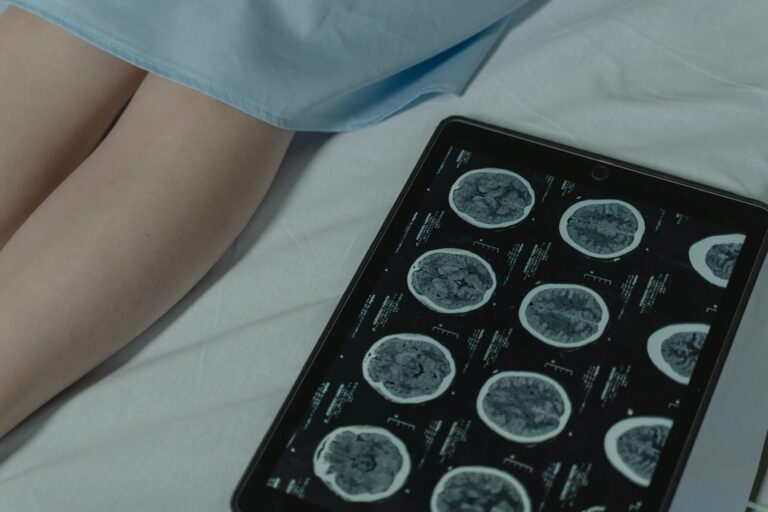
Neuroimaging is transforming the way we detect and manage dementia, particularly in conditions like Alzheimer’s disease. This technology allows doctors to see inside the brain, helping them identify changes that occur early in the disease process. Here’s how neuroimaging is revolutionizing dementia detection:
### Understanding Neuroimaging Techniques
Neuroimaging includes several techniques such as Magnetic Resonance Imaging (MRI), Positron Emission Tomography (PET), and Single Photon Emission Computed Tomography (SPECT). Each of these methods provides unique insights into brain health.
– **MRI** is particularly useful for detecting structural changes in the brain, such as atrophy in the hippocampus and entorhinal cortex, which are common in Alzheimer’s disease. It helps doctors monitor how the disease progresses over time[1][3].
– **PET scans** use special tracers to visualize amyloid beta plaques and tau protein tangles, which are hallmarks of Alzheimer’s disease. This helps in distinguishing Alzheimer’s from other forms of dementia[1][5].
– **SPECT** is used to assess blood flow in the brain, which can be altered in dementia[1].
### Role in Early Detection
Neuroimaging plays a crucial role in early detection. By identifying changes in brain structure and function before symptoms become severe, doctors can intervene earlier. This is especially important because early intervention can slow down disease progression and improve quality of life.
### Combining Neuroimaging with AI
Artificial intelligence (AI) is being integrated into neuroimaging to enhance its capabilities. AI can analyze large datasets from neuroimaging studies to identify patterns that human eyes might miss. This not only improves diagnostic accuracy but also helps in developing personalized treatment plans[3][5].
### Future Prospects
The future of neuroimaging in dementia detection looks promising. Advances in technology, such as ultrahigh field MRI and novel PET ligands, are providing more detailed insights into brain health. These advancements will help in understanding the disease better and in developing more effective treatments[5].
In summary, neuroimaging is revolutionizing the detection of dementia by providing early insights into brain changes, helping in accurate diagnosis, and guiding treatment decisions. As technology continues to evolve, we can expect even more precise and effective management of dementia in the future.