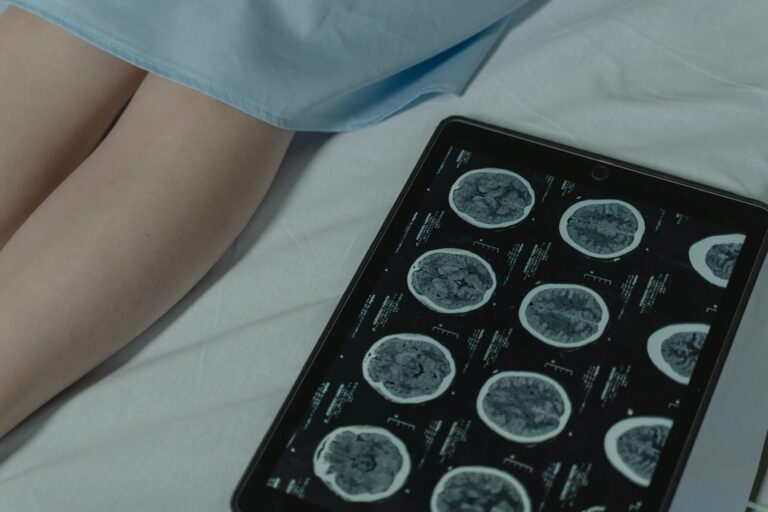
Personalized medicine is a rapidly evolving field that holds great promise for improving the care of individuals with dementia. This approach focuses on tailoring medical treatment to each person’s unique genetic, environmental, and lifestyle factors. In the context of dementia, personalized medicine can help identify early signs of the disease, develop targeted therapies, and enhance the quality of life for those affected.
## Understanding Dementia
Dementia is a broad term that describes a decline in cognitive function, including memory loss and difficulties with thinking and communication. Alzheimer’s disease is the most common cause of dementia, characterized by the buildup of plaques and tangles in the brain. Nearly half of people over the age of 55 will develop dementia at some point in their lives.
## The Role of Personalized Medicine
Personalized medicine involves using advanced technologies and data analysis to understand each patient’s specific health needs. In dementia care, this means analyzing genetic information, medical history, and lifestyle factors to predict disease progression and tailor treatment plans accordingly. For instance, researchers at the Rush Alzheimer’s Disease Center are using molecular signatures from brain tissue to develop precision therapies for Alzheimer’s disease. They create miniaturized brain models, known as organoids, from patient blood cells to test potential drug therapies and identify the most effective treatments for each individual.
## Advancements in Dementia Research
Recent advancements in precision medicine are transforming the way researchers approach dementia. By leveraging large datasets and advanced analytical tools, scientists can identify early biomarkers of the disease and develop more effective interventions. For example, the use of artificial intelligence and machine learning models can help predict early Alzheimer’s disease by analyzing plasma biomarkers. This early detection can lead to timely interventions that may slow disease progression.
## Implementing Personalized Care
Implementing personalized care involves a holistic approach that includes lifestyle changes, nutritional therapy, and stress management. Clinics like Elite Personalized Medicine offer comprehensive testing services, including tau protein and beta-amyloid plaque testing, to detect early signs of cognitive decline. They also provide customized treatment plans that address hormonal imbalances, gut health, and inflammation, all of which are crucial for maintaining cognitive function.
## The Future of Dementia Care
The future of dementia care looks promising with the integration of personalized medicine. As research continues to advance, healthcare providers will be better equipped to offer tailored treatments that improve patient outcomes. Philanthropic support, such as the $10 million gift to the Rush Alzheimer’s Disease Center, plays a critical role in accelerating this research by enabling scientists to pursue innovative projects that might not be funded through traditional channels.
In summary, personalized medicine offers a new frontier in dementia care by providing targeted and effective treatments tailored to each individual’s needs. As this field continues to evolve, it holds the potential to significantly improve the lives of those affected by dementia.