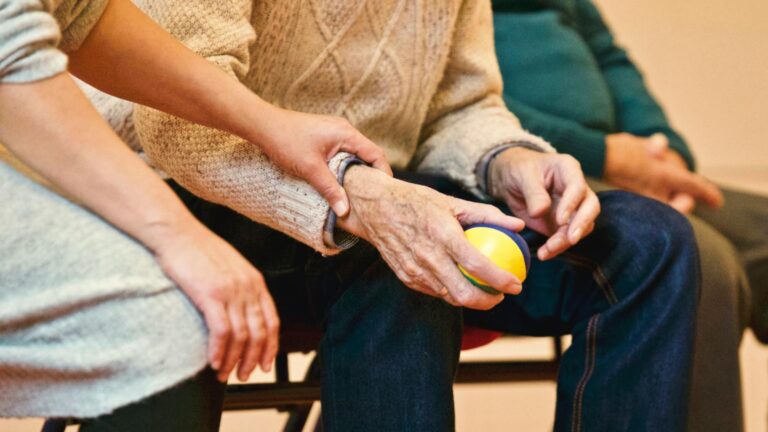
Social robots are becoming increasingly important in the care of people with dementia. These robots are designed to provide companionship, cognitive stimulation, and assistance with daily routines, which can significantly improve the quality of life for those affected by dementia.
One of the key benefits of social robots in dementia care is their ability to offer non-judgmental companionship. Robots like PARO, a robotic pet, provide tactile interaction that can reduce anxiety and agitation in patients. This type of interaction is especially beneficial because it mimics the comfort and emotional support that pets offer, without the responsibilities associated with caring for a real animal.
Humanoid robots are also being used in various countries to engage patients in conversation, remind them about medications, and help maintain daily routines. These robots are designed to mimic human interaction, which can help reduce feelings of loneliness and isolation that are common among people with dementia.
Beyond physical robots, technologies like virtual reality (VR) and augmented reality (AR) are also being explored for their potential in dementia care. These immersive experiences can evoke positive memories, provide cognitive stimulation, and create calming environments. For example, platforms like Rendever use VR to transport patients to familiar or pleasant places, which can be very therapeutic.
However, while these technologies offer exciting possibilities, there are still several challenges to overcome. One of the main issues is how to tailor these technologies to meet the diverse cognitive and emotional needs of individual patients. Ensuring that these technologies are integrated into existing caregiving routines without displacing the essential human touch is also crucial.
Ethical considerations are another important aspect. As robots collect and process personal data, ensuring robust privacy protections and ethical use is vital. Developing frameworks to balance innovation with the rights and dignity of patients is essential.
Despite these challenges, social robots and related technologies have the potential to significantly improve dementia care. They can help maintain autonomy, promote engagement, and enhance social interaction, all of which are critical for preserving the dignity and quality of life of people with dementia. As these technologies continue to evolve, they are likely to play an increasingly important role in addressing the complex needs of dementia patients and their caregivers.