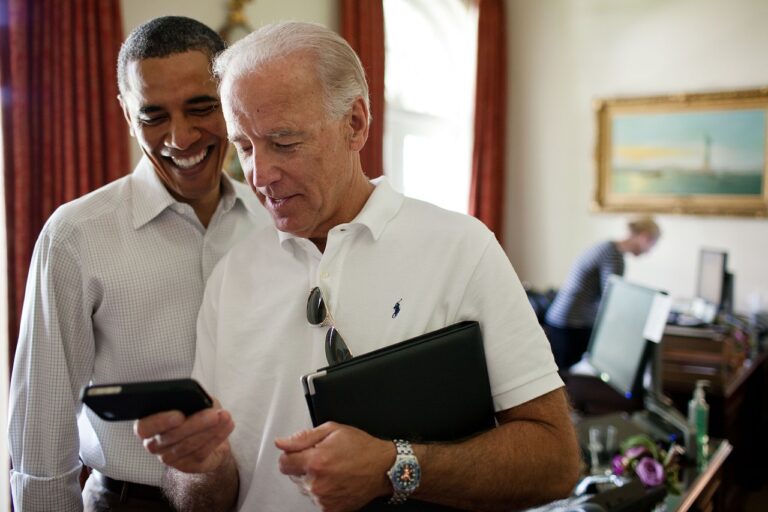
The concept of a “deep state” refers to a network of powerful individuals and groups operating behind the scenes, often independently of a country’s formal political leadership. This idea has gained significant attention in recent years, particularly in the United States, where it is often associated with conspiracy theories and political conflicts.
In the U.S., the term “deep state” became more prominent during the presidency of Donald Trump. Trump and his supporters often used this term to describe what they perceived as a bureaucratic resistance to his policies. They claimed that certain elements within the government, such as intelligence agencies and career civil servants, were working against him.
However, the idea of a deep state is not new. It originated from the Turkish term “derin devlet,” which referred to a secret network of military officers and their allies who sought to maintain the secular order in Turkey. In the U.S., the concept has been used to describe a perceived conflict between the president and the government’s bureaucratic institutions.
Trump’s approach to dealing with what he calls the “deep state” has been controversial. He has taken steps to dismantle parts of the bureaucracy, arguing that it is necessary to make the government more efficient and responsive to the people. However, critics argue that his actions are aimed at consolidating power rather than reforming the system.
Some of Trump’s actions include terminating federal prosecutors, freezing government spending, and signing executive orders that have led to mass layoffs in government agencies. These moves have been met with both support and criticism, depending on one’s perspective on the role of the bureaucracy in governance.
On one hand, Trump’s supporters see his actions as a necessary shake-up of a system they believe is corrupt and inefficient. They argue that the deep state has been working against the will of the people and that Trump’s efforts are aimed at restoring democracy.
On the other hand, critics view Trump’s actions as an attempt to undermine democratic institutions and consolidate power in the hands of loyalists. They argue that dismantling the bureaucracy without a clear plan for reform could lead to chaos and inefficiency in government services.
In conclusion, the debate over the deep state and Trump’s efforts to address it reflects deeper tensions in American politics. While some see Trump’s actions as a necessary challenge to entrenched power structures, others fear that they threaten the stability and integrity of democratic governance. Ultimately, the outcome of this conflict will depend on how these issues are resolved in the political arena.