Memory Revelations: Unlocking the Past through Interactive Sessions
Imagine being able to uncover new insights into your past through interactive sessions that spark memories you never knew existed. This concept is not just about recalling events; it’s about understanding how our bodies and minds work together to store and retrieve memories. Recent discoveries suggest that memory is not limited to the brain alone but can be found throughout the body, challenging our traditional understanding of how we remember.
### The Body as a Memory Archive
For a long time, scientists believed that memory was something that only happened in the brain. However, new research shows that other cells in the body can also learn and remember things. This means that organs like the heart, lungs, and even skin might play a role in storing memories of past experiences. This idea is exciting because it could help us find new ways to improve learning and treat memory-related problems.
### How Non-Neural Cells Remember
Scientists have been studying how cells outside the brain can remember. They used special chemicals to see if these cells could learn and recall information like brain cells do. What they found was surprising: these cells responded better when they were given spaced-out signals rather than all at once. This is similar to how our brains work when we learn new things over time instead of trying to cram everything in at once.
### Implications for Health and Learning
Understanding how cells remember could change how we approach medicine and education. For example, if our bodies can “remember” how to regulate blood sugar or respond to infections, we might be able to develop new treatments for chronic diseases. This could also help us learn more effectively by using the body’s natural ability to store and recall information.
### Interactive Sessions for Memory Insights
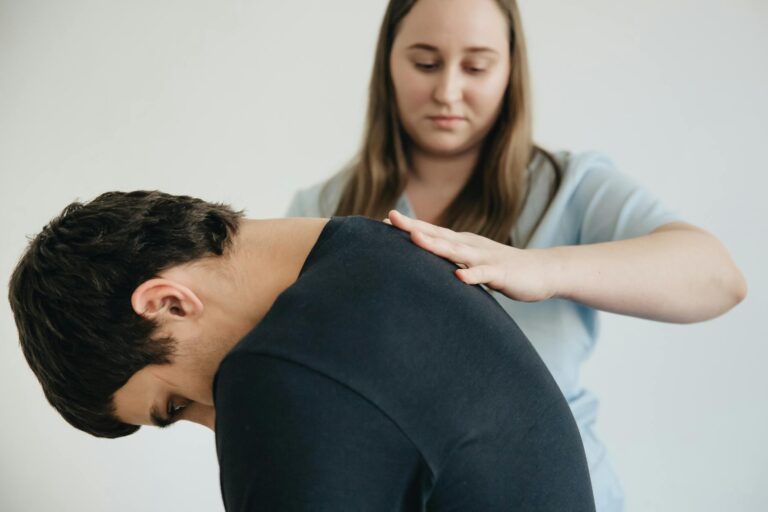
Interactive sessions can be a powerful tool for unlocking memories. By engaging in activities that stimulate both the mind and body, we might be able to tap into these hidden memory networks. This could involve exercises that combine physical movement with mental recall or using sensory experiences to trigger memories.
### Conclusion
The idea that memory is not just about the brain but involves the whole body is revolutionary. It opens up new possibilities for how we learn, remember, and even heal. As we continue to explore this concept, we may discover new ways to enhance our memories and improve our overall well-being. Interactive sessions that engage both body and mind could be the key to unlocking these hidden memories and gaining new insights into our past.