### The Overlooked Link Between Nightlight Use and Circadian Sabotage
In today’s world, we often overlook the simple things that can significantly impact our health. One such overlooked factor is the use of nightlights. While they may seem harmless, they can actually disrupt our body’s internal clock, leading to a range of health issues. Let’s explore this often-overlooked link between nightlight use and circadian sabotage.
#### What is the Circadian Rhythm?
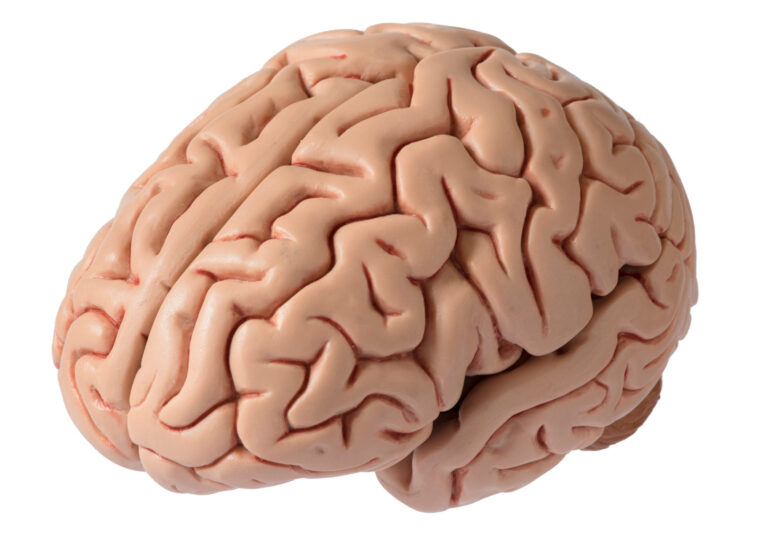
First, it’s essential to understand what the circadian rhythm is. Our body has an internal clock that regulates various bodily functions, such as sleep-wake cycles, hormone secretion, and metabolism. This internal clock is controlled by a small group of cells in the brain called the suprachiasmatic nucleus (SCN). The SCN responds to light and dark signals from the environment to synchronize our bodily functions with the 24-hour day-night cycle.
#### How Nightlights Disrupt the Circadian Rhythm
Nightlights, especially those that emit blue and green light, can interfere with our circadian rhythm. Here’s how:
1. **Melatonin Suppression**: Melatonin is a hormone produced by the pineal gland that helps regulate sleep-wake cycles. Exposure to blue and green light, which are present in most nightlights, suppresses melatonin production. This makes it harder for our bodies to wind down and fall asleep.
2. **Disrupted Sleep Patterns**: When our internal clock is disrupted, it can lead to poor sleep quality. This can result in fatigue, decreased productivity, and a host of other health problems.
3. **Increased Risk of Diabetes**: Research has shown that exposure to bright nighttime lighting, especially in the bedroom, is linked to an increased risk of diabetes. This is because prolonged exposure to artificial light can disrupt glucose metabolism, making it harder for the body to regulate blood sugar levels.
4. **Impact on Children**: For children, the use of nightlights can be particularly problematic. Babies and toddlers sleep better in completely dark environments, and the light from nightlights can create a more stimulating nighttime environment, making it harder for them to fall asleep and stay asleep.
#### What Can You Do?
Given the potential risks associated with nightlight use, what can you do to mitigate these effects?
1. **Use Dim Red or Amber Lights**: Red and amber lights are less likely to disrupt the circadian rhythm because they do not contain blue or green light. These colors are more relaxing and can help promote melatonin production.
2. **Reduce Light Intensity**: Even if you choose a red or amber light, it’s crucial to keep the intensity low. Bright lights can still excite the nervous system and interfere with sleep.
3. **Avoid Using Nightlights for Extended Periods**: If you must use a nightlight, try to limit its use to only when you need to get up during the night. This will minimize the disruption to your circadian rhythm.
4. **Create a Dark Environment**: For children, creating a completely dark environment at night can be beneficial. This helps them sleep better and reduces the risk of sleep disorders.
5. **Establish a Consistent Bedtime Routine**: Consistent bedtime routines, including avoiding electronic devices before bedtime and maintaining a dark, quiet sleep environment, are essential for promoting healthy sleep patterns.
In conclusion, while nightlights may seem like a harmless convenience, they can have significant effects on our health. By understanding the impact of nightlight use on our circadian rhythm and taking steps to mitigate these effects, we can promote better sleep and overall well-being.