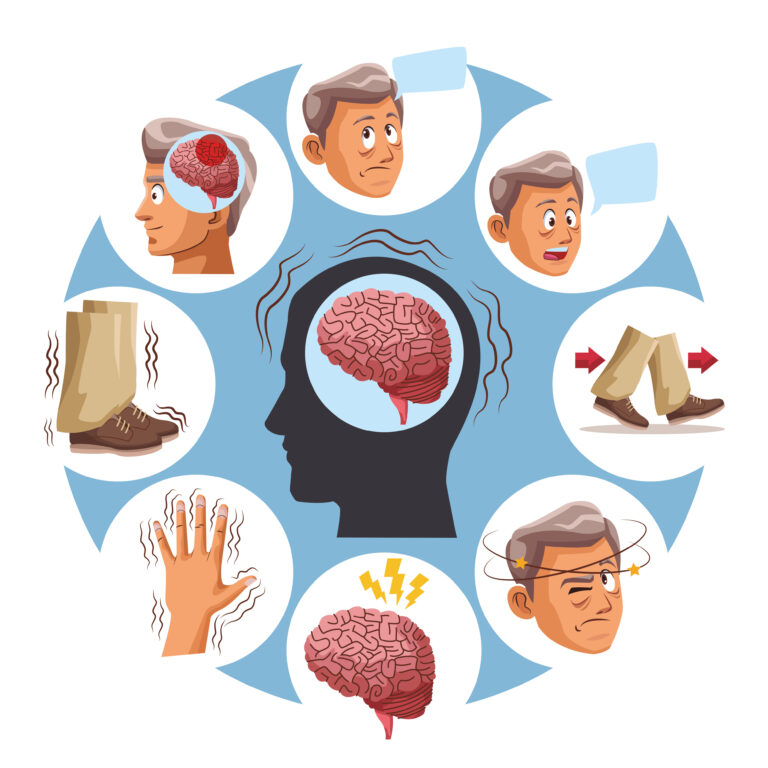
### The Silent Way Netflix Binges Are Shrinking Your Neural Highways
In today’s world, binge-watching Netflix has become a popular pastime. While it can be entertaining and enjoyable, there are some hidden dangers that come with it. Here’s how binge-watching can affect your brain and overall well-being.
#### 1. **Sleep Disturbances**
One of the most significant effects of binge-watching is its impact on your sleep. Staying up late to finish a series can disrupt your sleep pattern. The blue light emitted by screens can suppress your body’s production of melatonin, the hormone that helps you fall asleep. This can lead to poor sleep quality, increased fatigue, and even symptoms of insomnia. Research has shown that binge-watchers are more likely to experience these issues compared to regular TV viewers[1][3].
#### 2. **Mental Health Concerns**
Binge-watching can also have negative effects on your mental health. It has been linked to increased levels of depression and anxiety. The suspense and emotional investment in a show can cause your adrenaline and cortisol levels to rise, leading to feelings of stress and loneliness. A study found that binge-watching was associated with attachment anxiety and depression, suggesting that it can exacerbate these conditions[1][3].
#### 3. **Sedentary Lifestyle**
Another concern is the sedentary lifestyle that comes with binge-watching. Spending long hours indoors watching TV can reduce the time you spend outdoors and engaging in physical activities. This can lead to a decrease in exercise and overall health care. Additionally, unhealthy snacking habits often accompany binge-watching, which can further contribute to a sedentary lifestyle[1].
#### 4. **Addictive Behavior**
Binge-watching can also be addictive. The instant gratification it provides can be similar to that of gambling or social media addiction. People often use it as an escape from reality and to alleviate feelings of loneliness or boredom. This behavior can lead to loss of self-control, urgency, regret, and neglect of duties, ultimately resulting in negative social and health consequences[3].
#### 5. **Impact on Cognitive Function**
Prolonged binge-watching can also affect cognitive function. The episodic structure of TV shows, which includes natural breaks between episodes, can make it easier to manage prolonged viewing sessions. However, this can also lead to cognitive fatigue, especially when compared to continuous engagement required for films. The repetitive nature of binge-watching might reduce the brain’s ability to process new information and think critically, potentially shrinking neural highways over time[3].
### Conclusion
While binge-watching can be a fun and engaging activity, it is essential to be aware of its potential negative effects. By understanding these risks, we can take steps to maintain a healthier balance between entertainment and other aspects of our lives. This includes setting limits on screen time, engaging in regular physical activity, and prioritizing mental health. By doing so, we can ensure that our neural highways remain strong and our overall well-being is not compromised by the silent dangers of binge-watching.