Month March 2025

The importance of preserving dignity in dementia care

Preserving dignity in dementia care is crucial for maintaining the self-worth and independence of individuals affected by this condition. Dementia is an irreversible condition that can significantly impact a person’s ability to make decisions and maintain their autonomy. Therefore, it…


Providing compassionate end-of-life care for dementia patients

Providing Compassionate End-of-Life Care for Dementia Patients Caring for a loved one with dementia can be a challenging and emotional journey. As the disease progresses, it affects not only the patient’s physical health but also their emotional and cognitive well-being.…

The role of palliative care in advanced dementia management

Palliative care plays a vital role in managing advanced dementia by focusing on improving the quality of life for both patients and their families. Unlike hospice care, which is typically reserved for those nearing the end of life, palliative care…

Occupational therapy techniques for dementia patients

Occupational therapy plays a vital role in enhancing the lives of individuals with dementia. It focuses on helping these individuals maintain their independence and improve their quality of life by simplifying daily tasks and providing cognitive stimulation. ### Simplifying Daily…

Speech and language therapy to improve communication

Speech and language therapy is a powerful tool that helps people improve their communication skills. It is especially beneficial for children and adults who struggle with verbal or nonverbal communication, such as those on the autism spectrum. This therapy not…

The impact of physical therapy on dementia rehabilitation

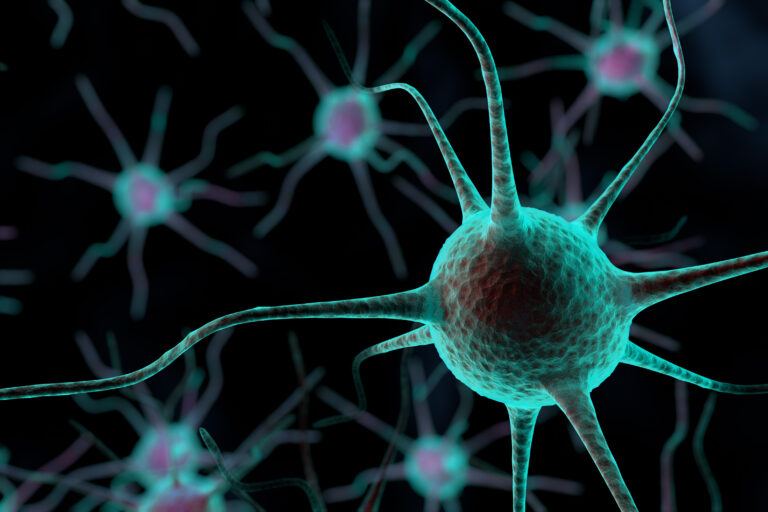
brain cells in dementia

Physical therapy plays a crucial role in the rehabilitation of individuals with dementia. It not only helps improve physical abilities but also enhances cognitive functions and overall quality of life. In this article, we will explore how physical therapy contributes…

How non-pharmacological treatments complement medication use

Non-pharmacological treatments are methods used to manage health conditions without relying on medication. These approaches can be incredibly effective when used alongside conventional medicines, offering a more comprehensive and holistic approach to healthcare. In this article, we will explore how…

Understanding the side effects of dementia medications

Understanding the Side Effects of Dementia Medications Dementia is a complex condition that affects millions of people worldwide. Managing its symptoms often involves medication, but these drugs can have significant side effects, especially in older adults. It’s crucial to understand…

The role of placebo effects in dementia research outcomes

The Role of Placebo Effects in Dementia Research Outcomes Dementia research is a complex and challenging field, with many studies seeking to find effective treatments for this debilitating condition. One aspect that can significantly influence the outcomes of these studies…

How to participate in dementia clinical trials

Participating in dementia clinical trials can be a significant step for individuals looking to contribute to medical research and potentially benefit from new treatments. Here’s a simple guide on how to participate: ### Understanding Clinical Trials Clinical trials are research…