Month March 2025

The role of glial cells in neurodegeneration

Glial cells play a crucial role in maintaining the health of the central nervous system (CNS). They are often overlooked compared to neurons, but their functions are vital for brain health. Glial cells include astrocytes, microglia, and oligodendrocytes, each with…

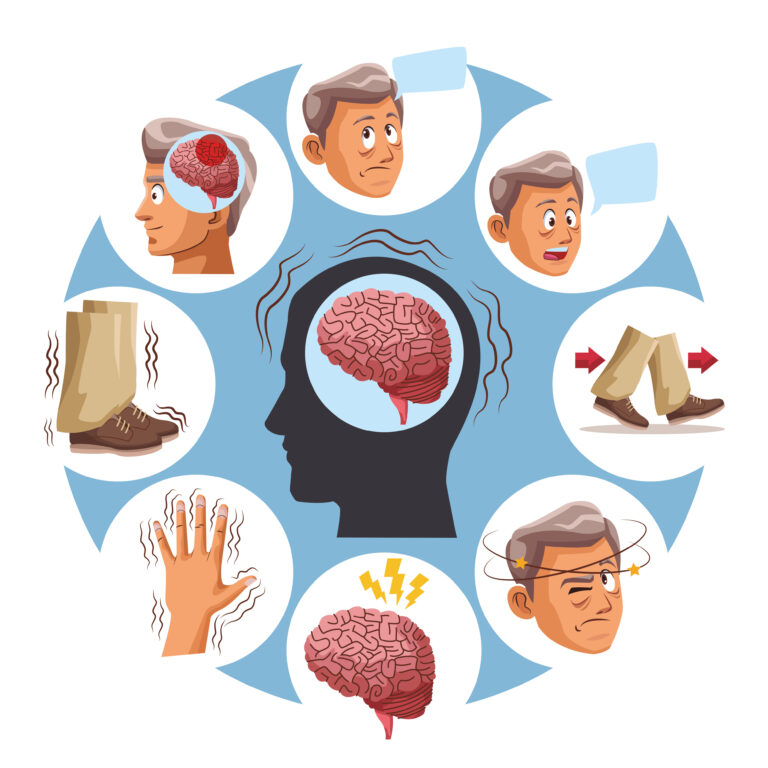
Synaptic plasticity loss in dementia

Synaptic plasticity is the brain’s ability to change and adapt throughout life. It plays a crucial role in learning and memory. However, in conditions like dementia, this ability is significantly impaired. Dementia is a broad term that describes a decline…

Vascular contributions to dementia

Vascular contributions to dementia are a significant area of research, as they play a crucial role in understanding and managing certain types of dementia. Dementia is a broad term that describes a decline in cognitive function, including memory loss, difficulty…

Blood-brain barrier permeability in Alzheimer’s

The blood-brain barrier (BBB) is a protective layer that separates the brain from the bloodstream. It plays a crucial role in maintaining brain health by controlling what substances can enter the brain. However, in Alzheimer’s disease, this barrier becomes less…

Mitochondrial dysfunction in dementia

Mitochondrial dysfunction plays a significant role in the development and progression of dementia, particularly in Alzheimer’s disease. Mitochondria are often referred to as the powerhouses of cells, responsible for producing energy through a process called oxidative phosphorylation. When mitochondria do…

Chronic inflammation and cognitive decline

Chronic inflammation is a condition where the body’s immune system remains active for a long time, leading to ongoing inflammation. This can have various effects on the body, including the brain. Recent studies have shown that chronic inflammation may be…

The gut-brain axis and dementia

The Gut-Brain Axis and Dementia: Understanding the Connection The gut-brain axis is a complex network that connects the digestive system to the central nervous system. This connection plays a crucial role in our overall health, including our mental wellbeing. Recent…

Amyloid-beta clearance mechanisms

Amyloid-beta (Aβ) is a protein that plays a significant role in Alzheimer’s disease. It forms plaques in the brain, which are associated with the cognitive decline seen in Alzheimer’s patients. Clearing these plaques is a promising approach to treating the…

The role of tau protein in neurodegeneration

The Role of Tau Protein in Neurodegeneration Tau protein plays a crucial role in maintaining the structure of neurons in our brain. However, when tau becomes abnormal, it can form harmful clumps that contribute to neurodegenerative diseases like Alzheimer’s. These…

Trump’s Attempt to Rein in Musk: Too Little, Too Late?

In recent weeks, President Donald Trump has made efforts to limit the influence of Elon Musk within his administration. Musk, who leads the Department of Government Efficiency (DOGE), has been at the center of controversy due to his aggressive approach…