Month March 2025

Personalized medicine for dementia treatment

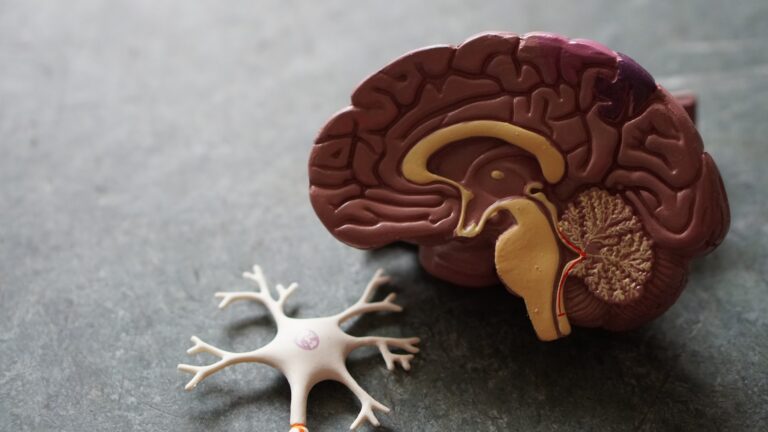
Personalized Medicine for Dementia Treatment: A New Era in Care Dementia, a condition that affects millions worldwide, is characterized by a decline in cognitive abilities due to diseases like Alzheimer’s. Traditional treatments often follow a one-size-fits-all approach, but advancements in…

Reversing memory loss with gene editing

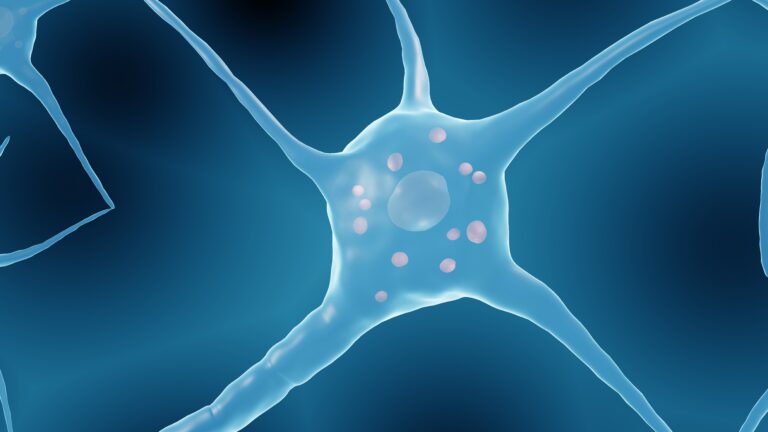
Reversing Memory Loss with Gene Editing: A New Frontier Memory loss, particularly in conditions like Alzheimer’s disease, has long been a challenge for medical science. However, recent advancements in gene editing and genetic research are offering promising solutions. Scientists are…

How hypoxia contributes to neurodegeneration

Hypoxia, or a lack of oxygen, can have profound effects on the brain, contributing to neurodegeneration in several ways. Neurodegeneration refers to the progressive loss of structure or function of neurons, leading to diseases such as Alzheimer’s and Parkinson’s. Understanding…

Multisensory stimulation for cognitive enhancement

Multisensory stimulation is a powerful tool for enhancing cognitive function. It involves combining different senses, such as sight, sound, and touch, to create a more engaging and effective learning experience. This approach can be particularly beneficial for individuals dealing with…

The role of amyloid PET scans in diagnosis

Amyloid PET scans have become a crucial tool in diagnosing Alzheimer’s disease. These scans help doctors visualize and measure the amount of amyloid plaques in the brain, which are a hallmark of Alzheimer’s. Here’s how they work and why they’re…

The link between herpesvirus and Alzheimer’s disease

Scientists have recently made a significant discovery about the connection between herpesvirus and Alzheimer’s disease. This link suggests that herpesvirus infections, particularly those caused by human herpes simplex virus type 1 (HSV-1), may play a role in the development of…

Cognitive reserve and its role in delaying symptoms

Cognitive reserve is a fascinating concept that helps explain how some people can maintain their cognitive abilities despite the presence of brain pathology or aging. It refers to the brain’s ability to adapt and compensate for age-related changes or neurodegenerative…

The impact of omega-3 and DHA on neurodegeneration

The Impact of Omega-3 and DHA on Neurodegeneration Neurodegenerative diseases, such as Alzheimer’s, are becoming increasingly prevalent worldwide. These conditions involve the progressive loss of brain cells, leading to cognitive decline and memory loss. Recent research has highlighted the potential…

How fasting and ketogenic diets affect dementia

Fasting and Ketogenic Diets: Their Impact on Dementia Dementia, a condition characterized by cognitive decline, affects millions worldwide. While traditional treatments focus on medication, lifestyle changes such as fasting and ketogenic diets are gaining attention for their potential benefits. Let’s…

Epigenetic therapies for dementia treatment

Epigenetic therapies are emerging as a promising approach for treating dementia. Epigenetics involves changes in how genes are expressed without altering the DNA sequence itself. These changes can be influenced by various factors, including lifestyle and environment, and are reversible,…