Oil prices spiked dramatically as military tensions disrupted shipping through the Strait of Hormuz in March 2026, sending Brent crude prices from around $80 per barrel to more than $120 per barrel within weeks. This was the first time Brent crude exceeded $100 per barrel in four years, and it represents the largest disruption to global oil markets since the 1970s energy crisis. The Strait of Hormuz serves as the chokepoint for approximately 20 percent of the world’s daily oil and natural gas supply, making it one of the most critical energy corridors on Earth. When shipping was disrupted following the March 4 closure, roughly 200 compliant tankers became stranded, forcing shipping companies to reroute vessels through southern Africa—a journey that adds weeks to delivery times and significantly increases transportation costs.
For those managing healthcare costs, particularly in sectors like dementia care where facility operations depend on stable energy and transportation costs, the implications are substantial. Energy price spikes directly impact heating, cooling, and operational costs at care facilities. Pharmaceutical and medical supply delivery becomes more expensive as shipping reroutes extend delivery times and add fuel surcharges. This article examines what triggered the price surge, how global oil supply contracted, what shipping disruptions mean for supply chains, and how these economic shocks ripple through industries like healthcare.
Table of Contents
- How Did War in the Middle East Cause Oil Prices to Spike?
- Why Is the Strait of Hormuz So Critical to Global Oil Supply?
- What Happened to Shipping Companies and Tanker Operations?
- How Do Oil Price Spikes Affect Healthcare and Care Facility Costs?
- What Was the Scale of Global Oil Production Loss?
- How Did Military Operations Affect the Situation?
- What Does This Disruption Mean for Future Energy Security?
- Conclusion
How Did War in the Middle East Cause Oil Prices to Spike?
The spike in oil prices occurred because geopolitical tensions in the middle East led to the closure of the Strait of Hormuz, the world’s most important energy shipping route. When the strait closed on March 4, 2026, it immediately cut off the primary passage for roughly 20 percent of global daily oil and liquefied natural gas exports. In the initial days following closure tensions, Brent crude surged 10 to 13 percent in early trading as markets recognized the magnitude of the supply disruption. By March 8, 2026, Brent crude exceeded $100 per barrel for the first time in four years, reflecting genuine scarcity concerns.
The economic logic is straightforward: when a major supply route closes, the available supply of oil drops sharply while demand remains relatively stable. Global oil production fell by 6.7 million barrels per day by March 10, and had dropped to at least 10 million barrels per day by March 12. Current export volumes from the Gulf region fell to less than 10 percent of pre-conflict levels. With reduced supply and stable or growing demand, prices necessarily rise. The price peak of $120 to $126 per barrel reflected markets pricing in both immediate supply loss and uncertainty about how long the disruption would persist.

Why Is the Strait of Hormuz So Critical to Global Oil Supply?
The Strait of Hormuz is a 21-mile-wide waterway between iran and Oman that connects the Persian Gulf to the Arabian Sea. The region contains the world’s largest proven oil reserves, and the strait is the only sea passage for oil exports from Saudi Arabia, Iraq, the United Arab Emirates, Qatar, Kuwait, and Iran combined. No alternative pipeline infrastructure exists with sufficient capacity to reroute this volume of oil by land.
This geographic chokepoint means that any disruption—whether military, weather-related, or accidental—immediately impacts global energy supplies. However, not all nations depend equally on Hormuz oil. The United States, Canada, and many European nations have more diverse oil supply sources and domestic production, making them somewhat insulated from Middle Eastern supply shocks compared to countries like India, Japan, and South Korea, which import large quantities of Persian Gulf oil through the strait. Similarly, countries with established strategic petroleum reserves or the ability to quickly ramp up domestic production can buffer themselves against immediate price impacts, whereas nations without these advantages face more acute economic pressure when prices spike.
What Happened to Shipping Companies and Tanker Operations?
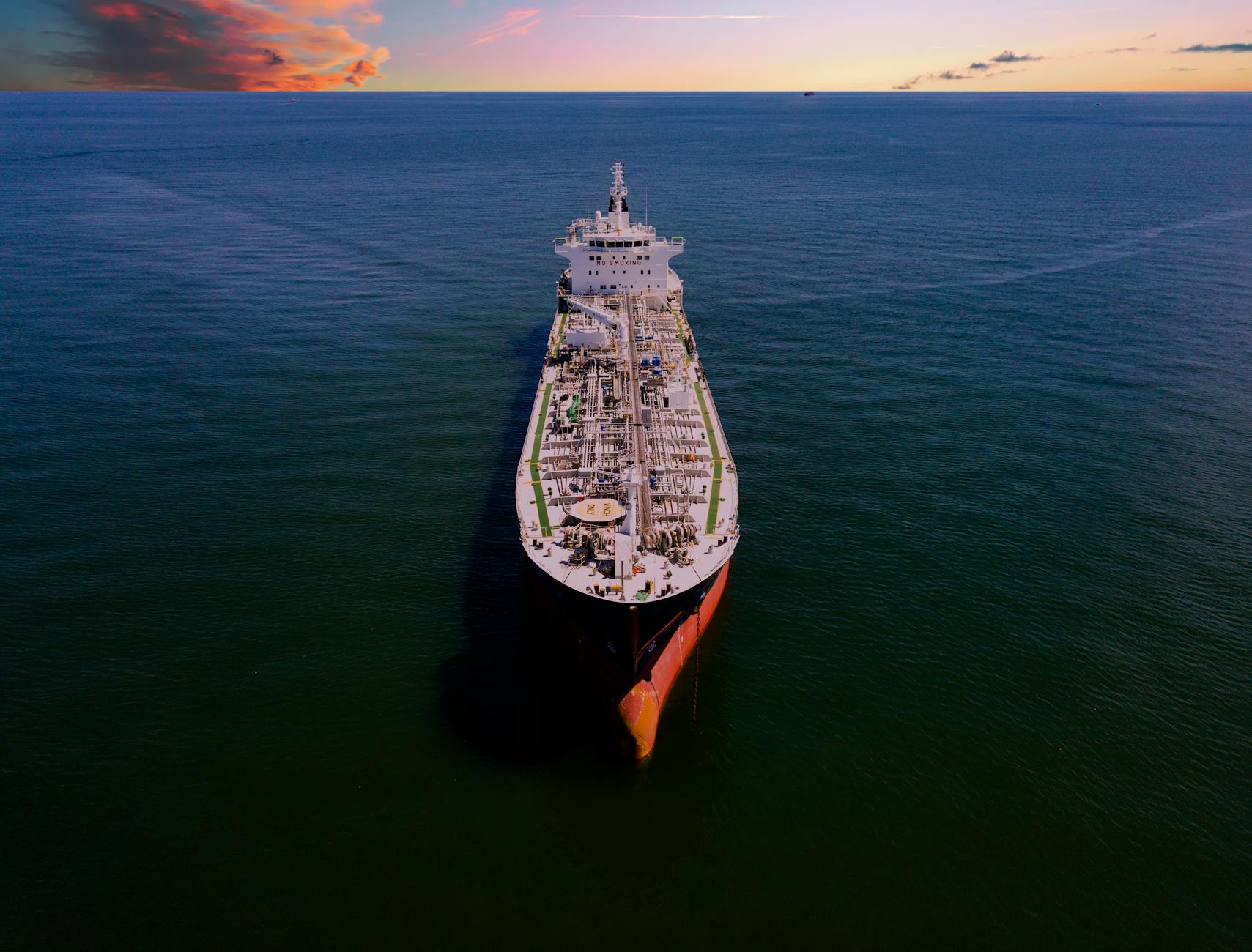
Approximately 200 compliant tankers became stranded when the Strait of Hormuz closure froze normal Gulf traffic on March 4, 2026. Shipping companies could not continue using the standard route and had to decide between waiting for the strait to reopen or rerouting their vessels. The only viable alternative was routing through southern Africa—a voyage that adds roughly two to three weeks to transit time and substantially increases fuel and operational costs. For tanker operators running on thin margins, these route changes mean significant financial losses and delivery delays for customers waiting for fuel.
The rerouting also created cascading supply chain effects. With hundreds of tankers diverted from their normal routes and transiting much longer journeys, the available tanker capacity in other regions was stretched thin. This created temporary shortages of shipping capacity for other commodities dependent on the same vessel types, potentially driving up shipping costs for liquefied natural gas, chemicals, and other goods. Smaller developing nations that rely on spot-market shipping rates—rather than long-term contracts with locked-in prices—experienced immediate cost increases as their suppliers passed along the routing surcharges.
How Do Oil Price Spikes Affect Healthcare and Care Facility Costs?
When crude oil prices spike, the impact extends far beyond gasoline pumps. Dementia care facilities face multiple cost pressures: heating and cooling costs for their buildings, fuel for transportation of staff and supplies, plastic products and medical supplies derived from petroleum, and the shipping costs embedded in every pharmaceutical delivery. A spike from $80 to $120 per barrel represents a 50 percent increase in the base cost of energy and petroleum-derived products. Facilities operating on fixed budgets or regulated reimbursement rates face margin compression.
The tradeoff is particularly acute for nonprofit and publicly funded care facilities serving lower-income populations. Commercial facilities can sometimes pass costs through to private-pay residents or adjust staffing levels, but safety-net facilities often cannot raise rates quickly enough to absorb a 50 percent spike in energy and supply costs. Pharmaceutical manufacturers must also absorb increased shipping costs, and some may pass these costs to healthcare systems through price increases or reduced availability of certain medications. Over time, repeated energy price shocks incentivize facilities to invest in efficiency upgrades—better insulation, renewable energy, less reliance on shipped-in supplies—but these upgrades require upfront capital that many facilities don’t have.
What Was the Scale of Global Oil Production Loss?
The scale of production loss from the Hormuz closure was unprecedented in modern times. Global oil production fell by 6.7 million barrels per day by March 10, 2026—just six days after the closure. By March 12, the production loss had grown to at least 10 million barrels per day. To contextualize this: a loss of 10 million barrels per day represents roughly 10 percent of global daily oil consumption. No other recent event has caused a disruption of this magnitude.
However, the production loss was not uniform globally. Countries with sufficient strategic petroleum reserves—including the United States, Japan, and members of the International Energy Agency—could release oil from storage to partially offset the supply loss. This coordinated release of reserves helped prevent prices from rising even higher. But reserves are finite; the US Strategic Petroleum Reserve and others cannot sustain large releases indefinitely. This limitation means that while strategic reserves provide a buffer for the first few weeks of a disruption, they cannot replace lost production permanently. If the Hormuz closure had persisted beyond a few months, prices would likely have risen even further as reserve supplies were depleted.

How Did Military Operations Affect the Situation?
US Armed Forces began military operations on March 19, 2026, aimed at reopening the Strait of Hormuz. The specific details of these operations and their timeline for reopening the strait were not immediately clear, but the stated objective was to restore shipping through the critical waterway. The initiation of military intervention marked a significant escalation and also signaled to markets that major powers were committed to resolving the disruption—a signal that somewhat reduced price volatility and panic buying.
The involvement of US military forces also raised questions about the duration of the crisis. If military operations could reopen the strait within days or weeks, the economic impact would be contained. If reopening took months, the economic damage would be far more severe. Markets responded by attempting to price in probabilities of various reopening timelines, which created day-to-day volatility in oil prices as new information emerged about military progress.
What Does This Disruption Mean for Future Energy Security?
The 2026 Hormuz crisis demonstrated that global dependence on a single geographic chokepoint for 20 percent of the world’s oil supply creates significant economic vulnerability. The Dallas Federal Reserve and other economic analysts have characterized this as the largest disruption to the global oil market in history, exceeding even the 1973 embargo and the 1979 Iranian Revolution supply disruptions in terms of production loss percentages.
This realization is likely to drive long-term policy decisions about energy diversification, strategic reserve sizes, and investment in alternative energy sources. Over the coming years, expect to see increased interest in expanding alternative shipping routes, developing pipelines that bypass chokepoints, and accelerating the transition to renewable energy sources less vulnerable to Middle Eastern geopolitics. For healthcare systems, including dementia care facilities, this period serves as a reminder that energy cost stability cannot be assumed and that investments in efficiency, renewable energy, and supply chain resilience are not luxuries—they are necessary adaptations to a volatile global environment.
Conclusion
The March 2026 disruption of the Strait of Hormuz resulted in one of the largest oil supply shocks in modern history, with Brent crude prices surging to $120–$126 per barrel—the first time prices exceeded $100 in four years. The closure stranded 200 tankers, reduced global oil production by at least 10 million barrels per day, and forced shipping companies to reroute through southern Africa, adding weeks to delivery times and significant costs to supply chains.
The economic effects rippled through healthcare systems and care facilities dependent on stable energy and transportation costs. Understanding these global supply shocks helps healthcare providers and policymakers recognize the importance of energy efficiency investments, strategic supply chain planning, and diversification away from vulnerable chokepoints. For dementia care facilities and other organizations in the healthcare sector, the lesson is clear: energy price stability cannot be taken for granted, and investments in resilience and efficiency today protect operational margins and care quality tomorrow.
You Might Also Like
- Global Markets Watch Closely As Iran War Developments Shake Oil Prices
- Why Is the Strait of Hormuz Taking Longer to Reopen Than the Pentagon Expected
- Why Is the Iran War Sending a Message to Every Country Pursuing Nuclear Weapons
For more, see Alzheimer’s Association.