A dementia diagnosis often comes without a stage because staging is not automatic in routine care. Dementia is an umbrella term for symptoms from brain diseases that impair memory, thinking, and daily function.
Alzheimer's disease is the most common cause. Cleveland Clinic identifies it as the leading cause in its dementia overview. Routine care focuses on the cause and what help is needed now, not a number.
Medical information disclaimer: This article is for general educational purposes only and does not provide medical advice, diagnosis, or treatment. Always consult a physician or other qualified health professional about symptoms, medications, tests, or treatment decisions.
Table of Contents
- Why Staging Is Not Automatic
- Which Stages Doctors Actually Use
- How Specialists Rate Severity
- What To Ask When No Stage Is Given
Why Staging Is Not Automatic
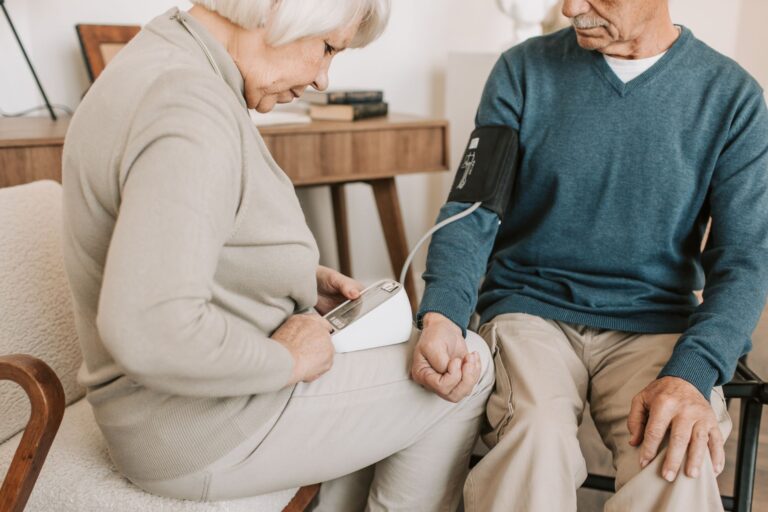
Routine Alzheimer's diagnosis relies on history from the patient and family, cognitive and neurologic exams, brain imaging, and blood or spinal-fluid biomarkers. The National Institute on Aging describes this workup without an automatic cancer-like numbered stage in its guide to how Alzheimer's is diagnosed. The exam answers two practical questions: what disease is causing the symptoms, and how much do they affect daily life. That result guides treatment, safety planning, and support services.
A number alone would not change those next steps. A combined 1-7 biological-plus-clinical Alzheimer's system was finalized in 2024 after a 2023 proposal. Reuters reported that experts modeled it on cancer staging in its report on the diagnosis revamp. It remains principally a research framework rather than routine clinic practice.
Which Stages Doctors Actually Use
Many clinics use plain words: early, middle, and late, also called mild, moderate, and severe. The Alzheimer's Association uses these three stages and notes that each person has different symptoms and pacing. Mayo Clinic frames Alzheimer's as a continuum of about five phases. The sequence runs from preclinical disease to mild cognitive impairment due to Alzheimer's, then mild, moderate, and severe dementia due to Alzheimer's.
Mild cognitive impairment means measurable change that does not yet block independence. These labels describe function, not strict time blocks. A person can need help with money, driving, or medicines in one phase and still manage other tasks well. The label matters only when it clarifies risks and care needs.
How Specialists Rate Severity
When precise rating helps, specialists use structured scales. Washington University's Clinical Dementia Rating scores severity as 0 normal, 0.5 very mild, 1 mild, 2 moderate, and 3 severe, based on clinician interviews across six cognitive-functional domains in its CDR scoring table. Another scale, the Reisberg Global Deterioration Scale, uses seven stages from 1 no decline to 7 very severe decline.
The related Functional Assessment Staging Test further divides late stages by lost daily activities such as dressing and bathing. These tools reduce guesswork across visits and clinicians. They still depend on observed thinking and daily function, not a blood value alone. Two people with the same score may still need different help at home.
What To Ask When No Stage Is Given
Stages overlap with no sharp boundary. A Healthline synthesis of NIA-linked guidance notes survival averages about 4-8 years after diagnosis but ranges to 20 years. A single stage at diagnosis often cannot predict trajectory.
Because different dementias need different care, ask for specifics that guide action today. The Alzheimer's Association and Cleveland Clinic point to the same practical questions: Bring notes on missed medicines, driving concerns, falls, sleep, mood, and personal care. Ask the clinician to record the cause, severity words, functional limits, and follow-up plan in the visit summary. Bring a family member to capture details and next steps.
- What is the likely cause of the dementia symptoms
- How severe are thinking and memory changes now
- Which daily tasks are unsafe or need supervision
- What help, visits, and safety changes are needed now